한국의
한국의 English
 français
 Deutsch
 italiano
 русский
 español
 português
 العربية
 Nederlands
 Romania
 Bulgaria
 Melayu

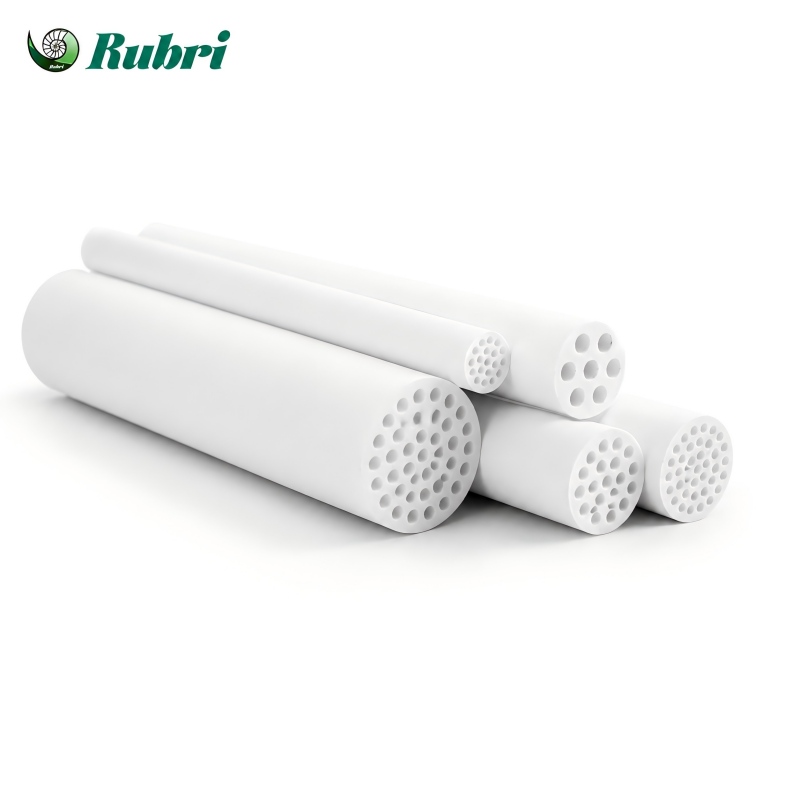
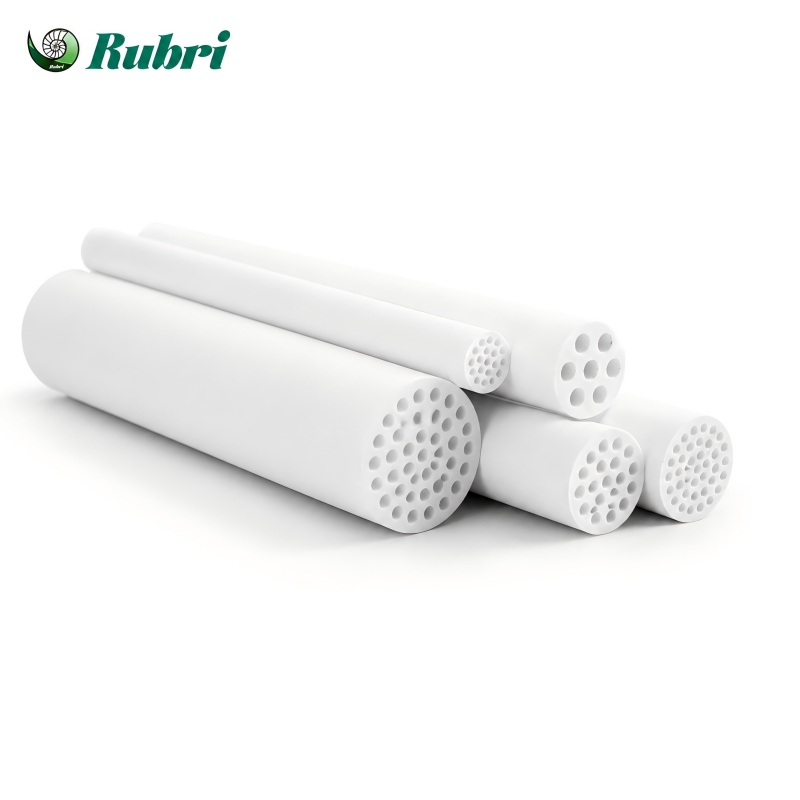
알루미나 세라믹 멤브레인은 고온 소결법으로 제조되는 고성능 다공성 여과 소재입니다. 다공성 지지층, 전이층, 미세다공성 분리층으로 구성된 비대칭 구조를 지니고 있어 우수한 기계적 강도, 내화학성, 긴 수명을 제공합니다. 관형 세라믹 멤브레인은 교차 흐름 여과 방식으로 작동하며, 액체로부터 부유 고형물, 콜로이드, 고분자, 미생물을 효율적으로 분리하여 고효율 여과, 정화, 농축 및 자원 회수를 가능하게 합니다. 미세여과에서 한외여과(≥2 nm)에 이르는 다양한 기공 크기를 가지며, 산업 폐수 처리, 식품 및 음료 가공, 제약, 생명공학, 화학, 광업, 물 재활용 등 다양한 분야에 널리 적용됩니다.
一、정의
알루미나 세라믹 멤브레인은 고온 소결로 제조된 다공성 구조의 정밀 세라믹 필터 소재입니다. 이는 다공성 지지층, 전이층, 미세다공성 막층의 세 가지 층이 비대칭적으로 배열된 구조로 이루어져 있으며, 미세여과, 한외여과 및 작은 기공 크기(≥2 nm)에 이르는 다양한 여과 범위를 제공합니다.
관형 세라믹 멤브레인은 주로 유체 분리 공정에 교차 흐름 여과 방식을 사용합니다. 작동 원리는 다음과 같습니다. 공급액이 멤브레인 튜브 내부를 고속으로 흐릅니다. 압력에 의해 작은 분자를 포함하는 투과액은 멤브레인 층을 수직으로 통과하여 바깥쪽으로 빠져나가고, 고분자 성분을 포함하는 잔류액은 멤브레인에 걸러집니다. 이를 통해 유체의 분리, 정제 및 농축이 이루어집니다.
2. 제품 장점
1. 화학적 안정성이 뛰어나며, 산, 알칼리, 산화 및 유기 용매에 대한 내성이 있습니다.
2. 고온 내성이 있어 고온 세척 및 살균에 적합합니다.
3. 청소가 쉽고 수명이 길다.
4. 좁은 기공 크기 분포와 높은 분리 정밀도.
5. 물질 용출이 없어 식품 및 제약 산업의 공정 분리에 적용 가능합니다.
6. 완벽한 설비가 설치 공간을 적게 차지하며, 높은 자동화 수준과 낮은 인건비가 특징입니다.
7. 유입수 또는 공급액에 대한 요구 조건이 낮고, 극한의 작업 조건에서도 작동할 수 있습니다.
8. 세라믹 멤브레인 시스템은 높은 공정 통합성과 완전 자동 제어 기능을 갖추고 있어 필터 잔류물과 여과액의 연속 공급 및 연속 배출이 가능합니다.
9. 기존 기술과 비교하여 무기 세라믹 막 분리 기술은 제품 수율 및 순도를 향상시키고, 생산 주기를 단축하며, 경제적 이익을 증대시키고, 에너지를 절약하는 동시에 배출량을 줄입니다.
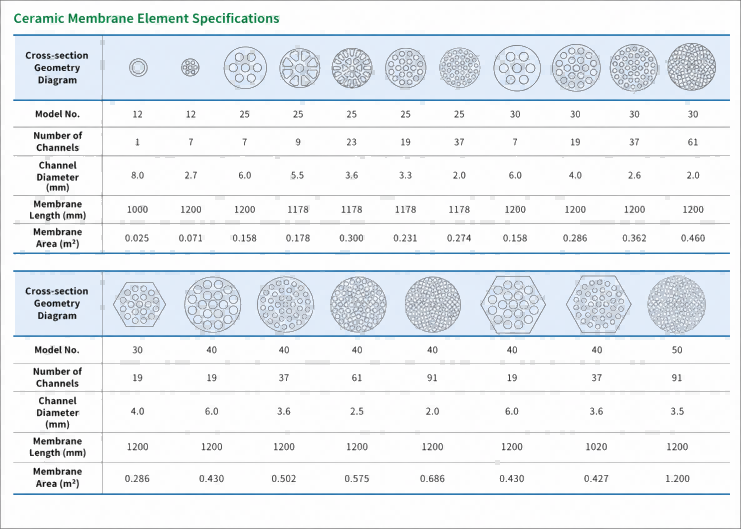
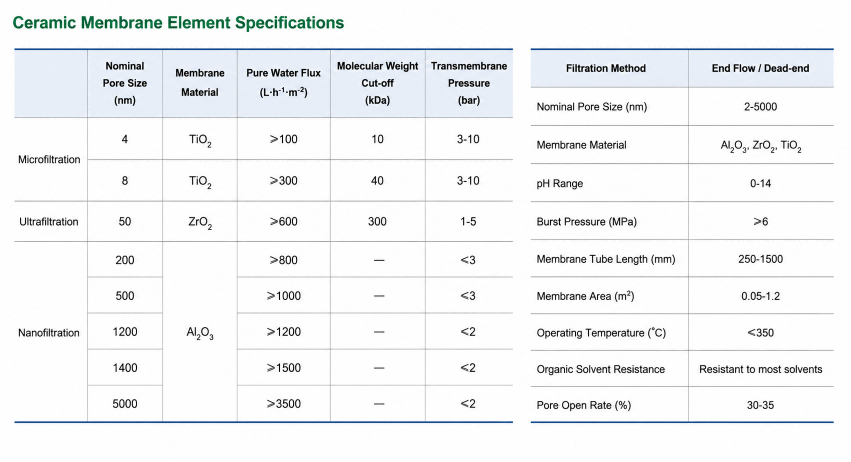
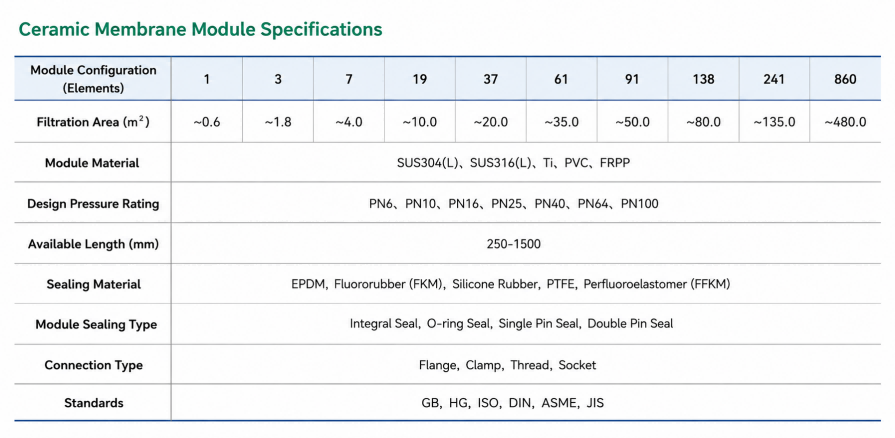
3. 제품 사양
넷, 신청
1. 물 및 폐수 처리
2. 음식 및 음료
3. 제약 및 생명공학
4. 화학 산업
5. 석유 및 가스
6. 광업 및 야금
7. 전자 및 반도체
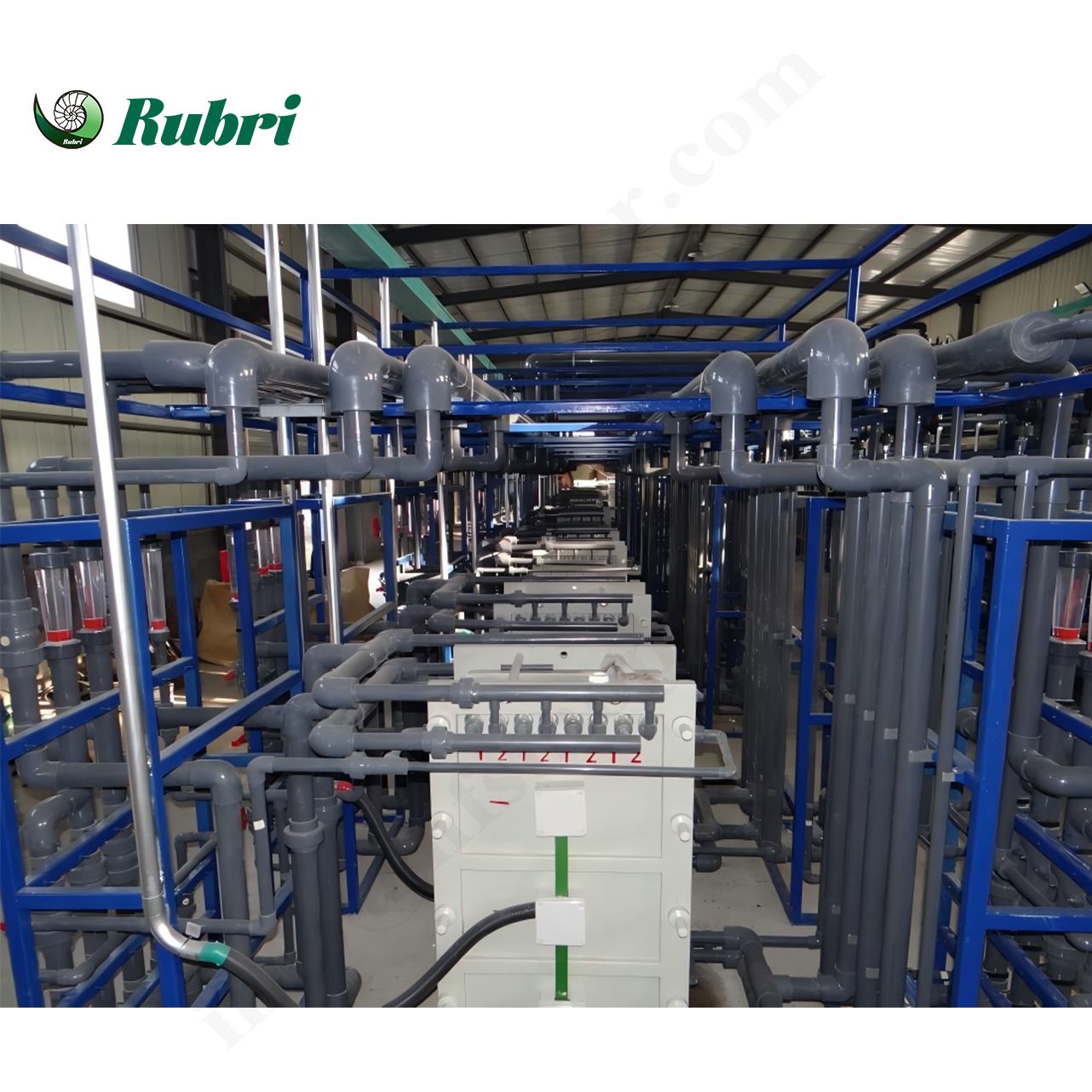
소개양극성 막 전기투석(BMED)은 특수 막 구조를 이용하여 염을 해당 산과 염기로 직접 전환하는 첨단 전기화학적 분리 기술입니다. 핵심 구성 요소는 양이온 교환층과 음이온 교환층이 적층된 양극성 막(BPM)입니다. 직류(DC) 전기장의 영향으로 BPM은 접합부에서 물 분자의 해리를 촉매하여 H⁺ 및 OH⁻ 이온을 생성합니다. 이 이온들은 막 구조를 통해 이동하여 염 용액의 음이온 및 양이온과 반응함으로써 산과 염기 생성물을 동시에 생성합니다.
더 읽어보기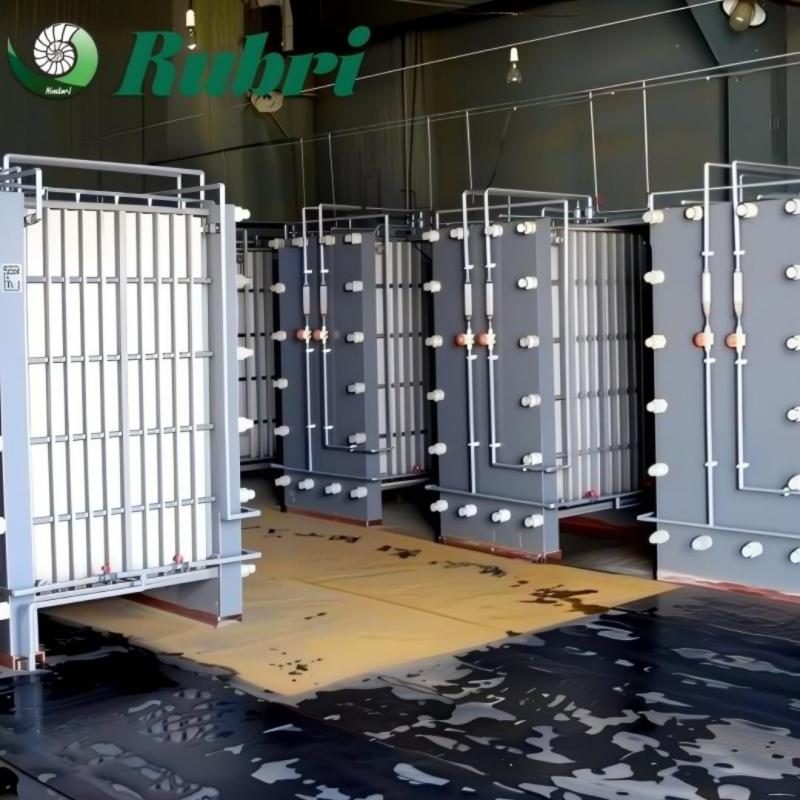
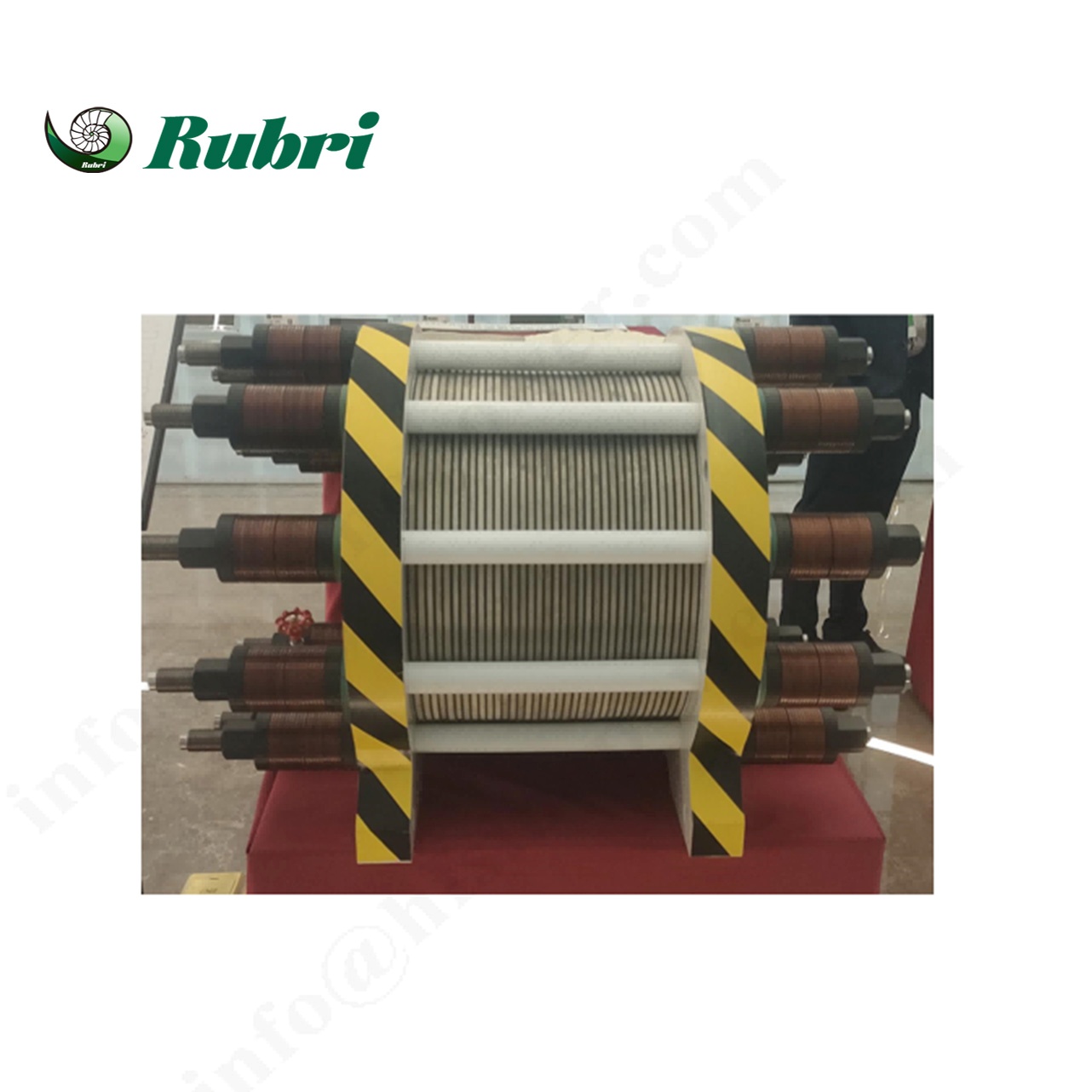
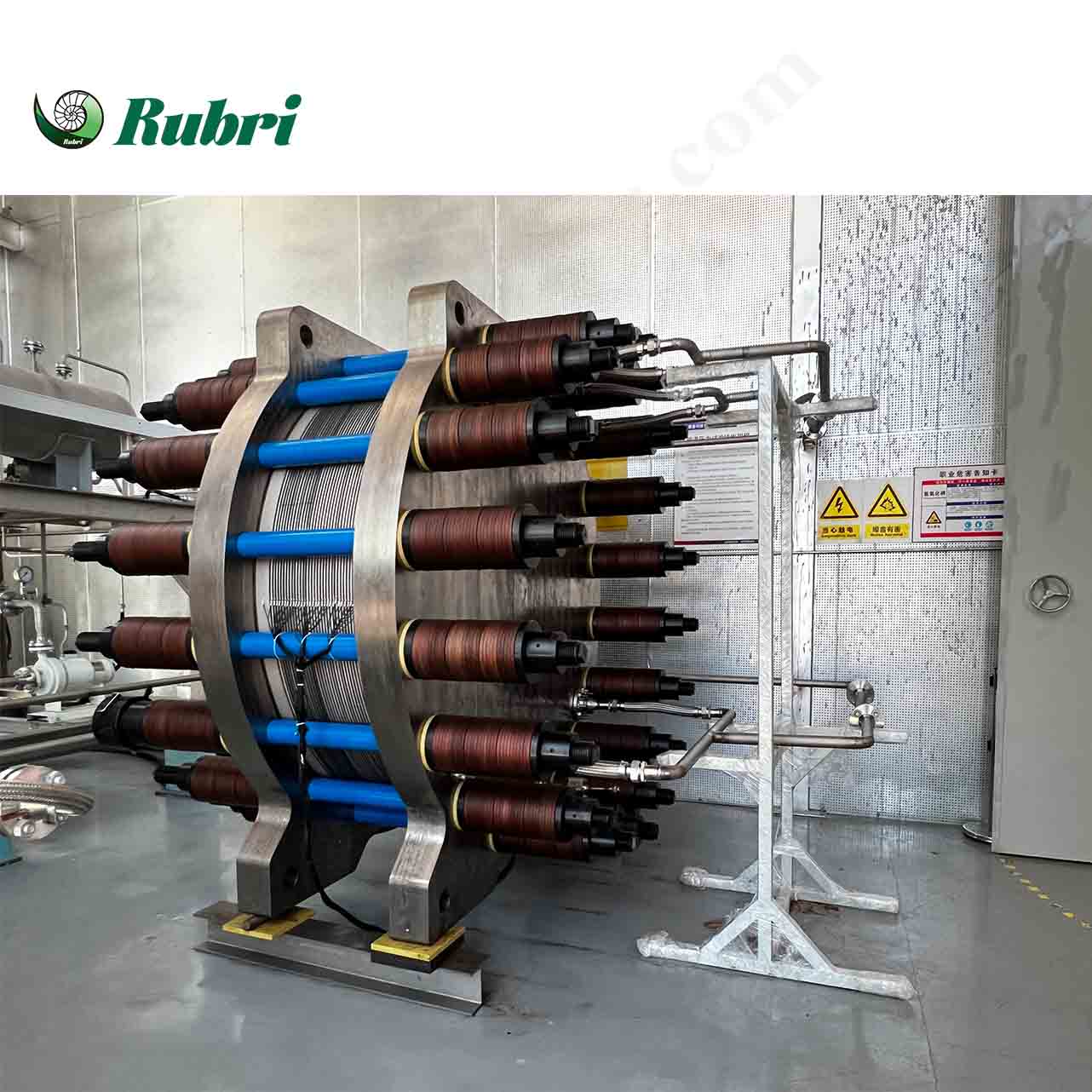
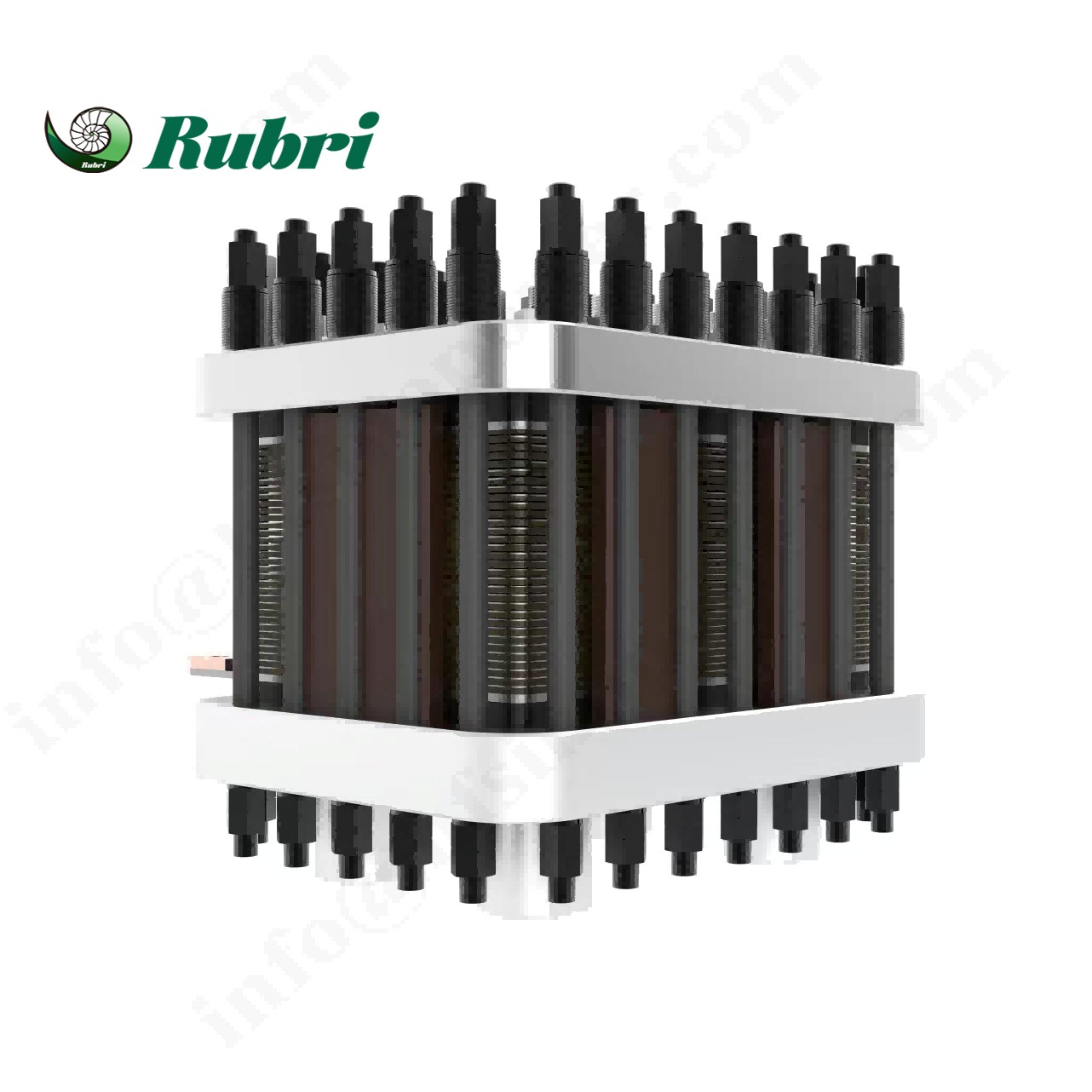
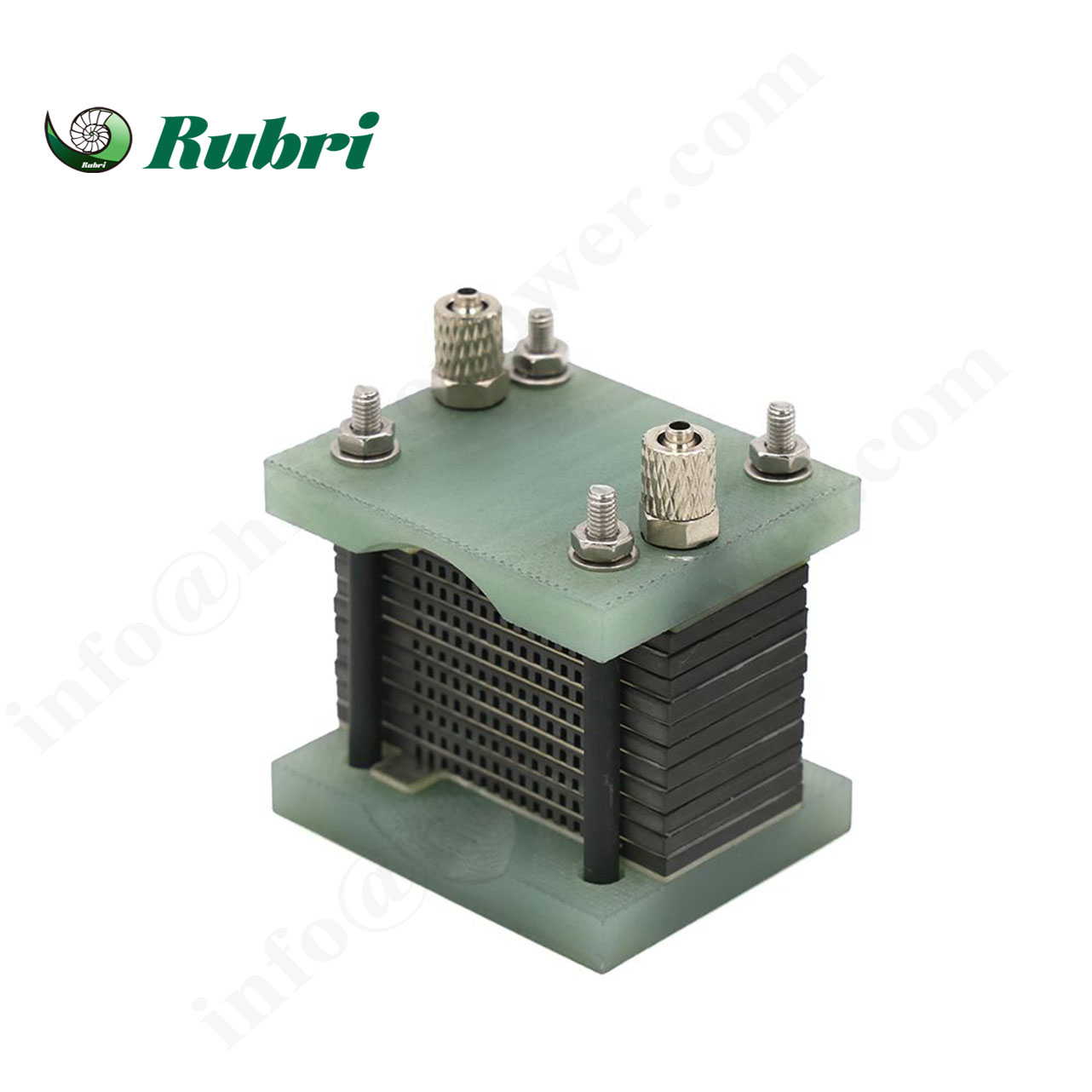
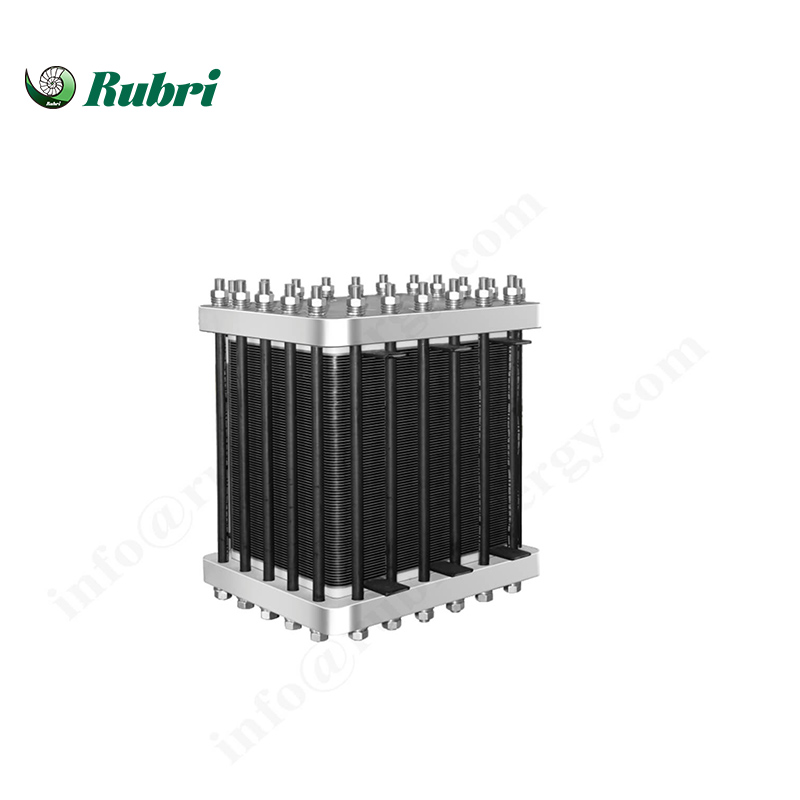
전기투석기는 전기투석 기술을 적용한 핵심 이온 분리 장비입니다. 직류 전기장을 인가하고 음이온 및 양이온 교환막을 적절히 조합하여 액체 내 이온의 방향성 이동 및 분리를 실현합니다. 구조가 간단하고 신뢰성이 높으며, 사용 규모에 따라 나사식과 유압식 일체형으로 구분됩니다. 해수 담수화, 산업 폐수 처리, 식품 농축, 의약품 정제 및 신에너지 전해액 처리 등 다양한 분야에 널리 적용되어 용액의 담수화, 농축 및 이온 불순물 제거를 효율적으로 수행합니다.
더 읽어보기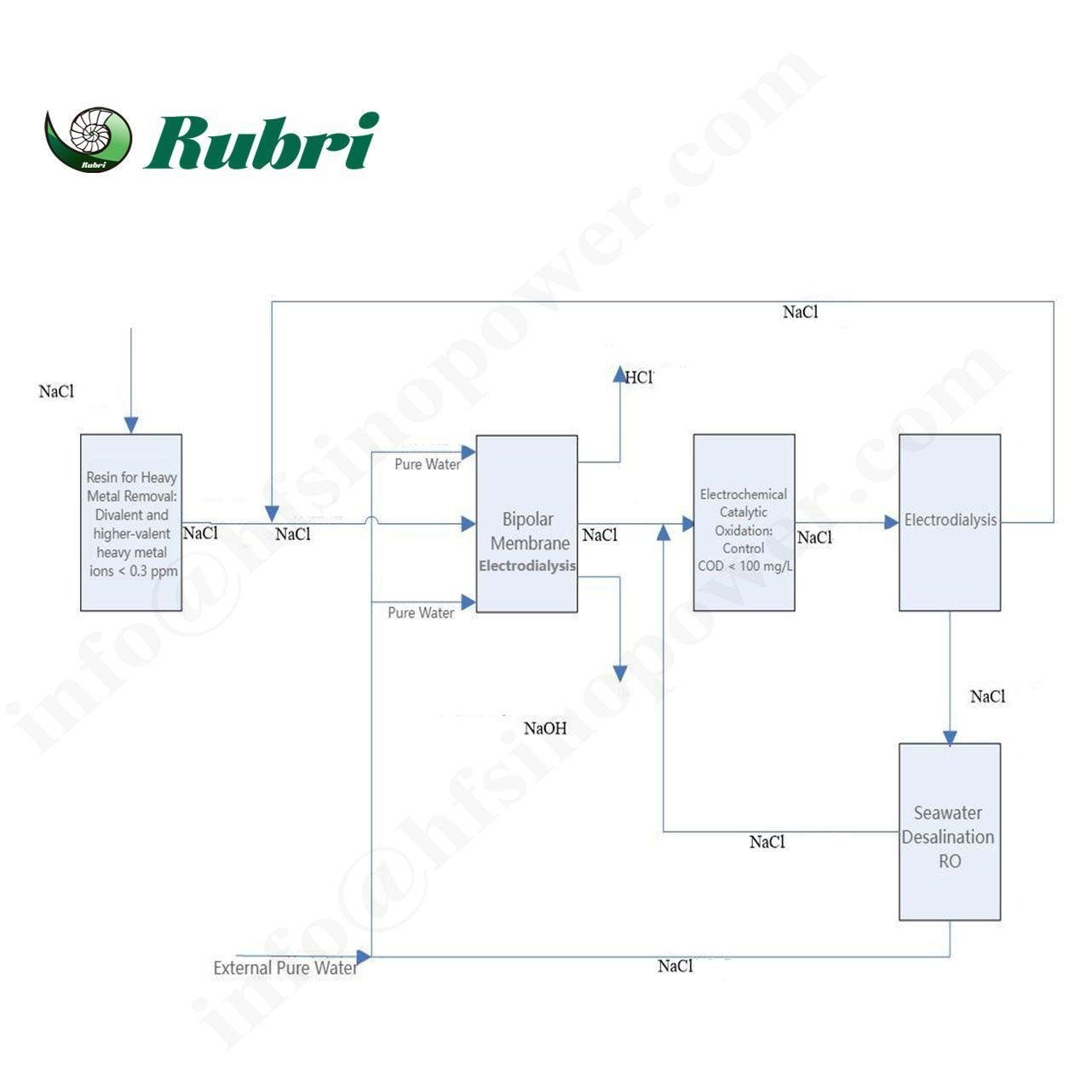
루브리는 양극성 막 전기투석 기술에 능숙하며, 맞춤형 솔루션을 설계하고 구현하는 데 능숙하여 고객에게 포괄적인 친환경적이고 깨끗한 생산 계획을 제공합니다.
더 읽어보기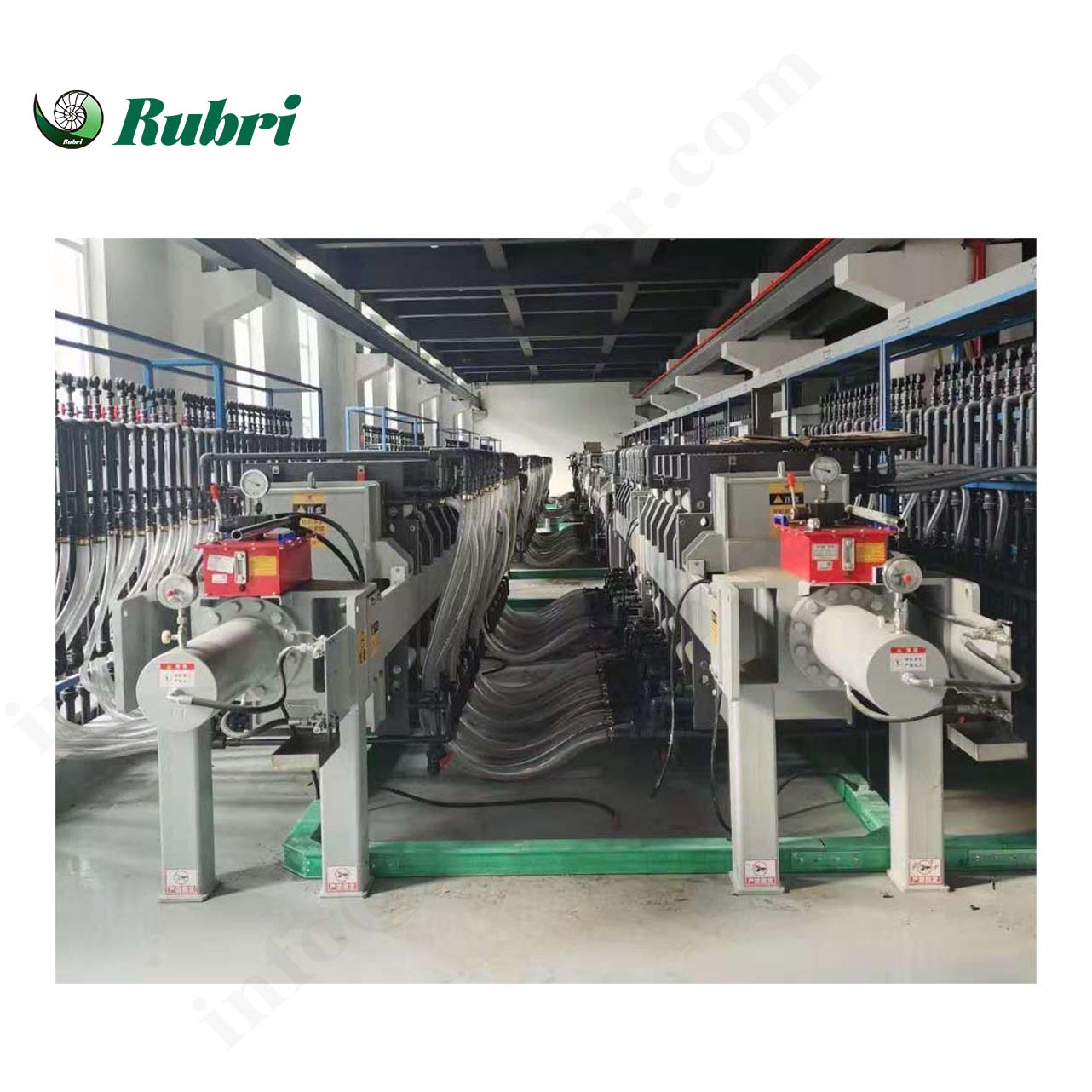
전기투석의 핵심 원리전기투석 기술의 핵심은 전기장과 선택적 막 기술의 결합에 있으며, 구체적인 원리는 크게 두 부분으로 나뉩니다.1. 직류 전기장의 구동 효과직류 전기장의 작용으로 용액 속의 음이온과 양이온은 방향성을 가지고 이동합니다. 양이온은 음극 쪽으로 이동하고, 음이온은 양극 쪽으로 이동합니다.2. 이온 교환막의 선택적 여과 효과이 시스템에서는 이온 분리를 위해 두 종류의 이온 교환막이 사용됩니다.양이온 교환막: 양이온(예: Na+)만 통과시킵니다.+, 칼슘2+마그네슘2+음이온은 차단하면서 통과시킵니다.음이온 교환막: 음이온(예: Cl⁻)만 통과시킵니다.-, 그래서42-양이온을 차단하면서 통과시킵니다.
더 읽어보기
이 기술은 양극성 막 전기투석 원리를 기반으로 합니다. 직류 전기장의 작용 하에 양극성 막을 이용하여 물 분자를 수소 이온과 수산화 이온으로 효율적으로 분리합니다. 이 과정을 통해 도금 폐수 내의 염(염화나트륨, 황산나트륨 등)을 상응하는 산(염산, 황산 등)과 알칼리(수산화나트륨 등)로 선택적으로 전환시켜 폐수 정화와 자원 회수라는 두 가지 목적을 동시에 달성합니다.
더 읽어보기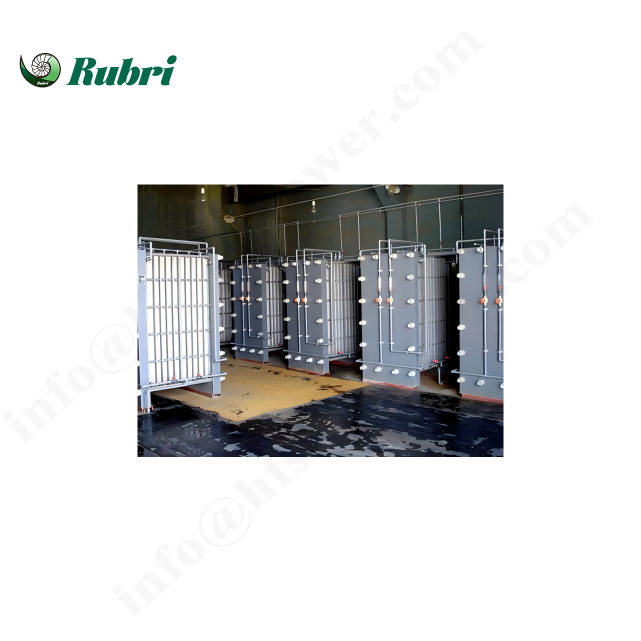
전기투석의 핵심 원리전기투석 기술의 핵심은 전기장과 선택적 막 기술의 결합에 있습니다. 그 구체적인 원리는 크게 두 부분으로 나뉩니다.직류 전기장과 농도 기울기의 구동 효과직류 전기장 또는 농도 기울기의 작용으로 용액 내 음이온과 양이온은 방향성을 가지고 이동합니다. 양이온은 음극 쪽으로 이동하고, 음이온은 양극 쪽으로 이동합니다. 용질은 고농도 용액에서 저농도 용액으로 이동합니다.이온 교환막의 선택적 체질 효과이 시스템에서는 이온 분리를 위해 두 종류의 이온 교환막이 사용됩니다.양이온 교환막: 양이온(예: Na⁺, Ca²⁺, Mg²⁺)만 통과시키고 음이온은 차단합니다.음이온 교환막: 양이온은 차단하고 음이온(예: Cl⁻, SO₄²⁻)만 통과시킵니다.
더 읽어보기
양극성 막 전기투석(BPED)의 핵심 원리BPED 기술의 핵심은 전기장, 선택적 막 기술, 그리고 양극성 막의 고유한 물 분해 능력의 결합에 있습니다.1. 직류 전기장의 구동 효과직류 전기장 하에서 이온은 방향성을 가지고 이동합니다. 양이온은 음극으로 이동하고, 음이온은 양극으로 이동합니다.2. 막의 기능양극성 막(BPM): 물을 분해합니다.물2) 안으로H+그리고OH−전기장 하에서 이온이 생성되어 산과 염기 생성의 원천이 됩니다.양이온 교환막(CEM): 양이온을 선택적으로 통과시킵니다.음이온 교환막(AEM): 음이온만 선택적으로 통과시킵니다.이러한 막들을 교대로 배열함으로써 염을 상응하는 산과 염기로 변환할 수 있다.
더 읽어보기


 IPv6 네트워크 지원