한국의
한국의 English
 français
 Deutsch
 italiano
 русский
 español
 português
 العربية
 Nederlands
 Romania
 Bulgaria
 Melayu

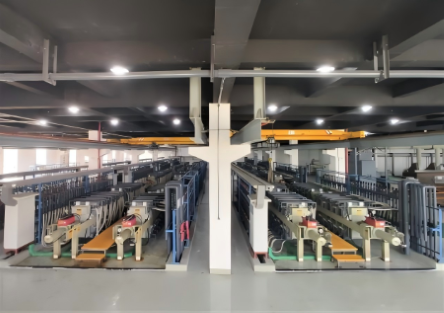
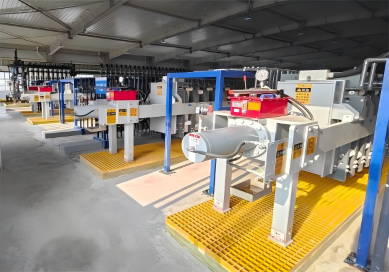
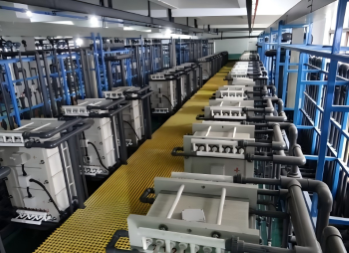
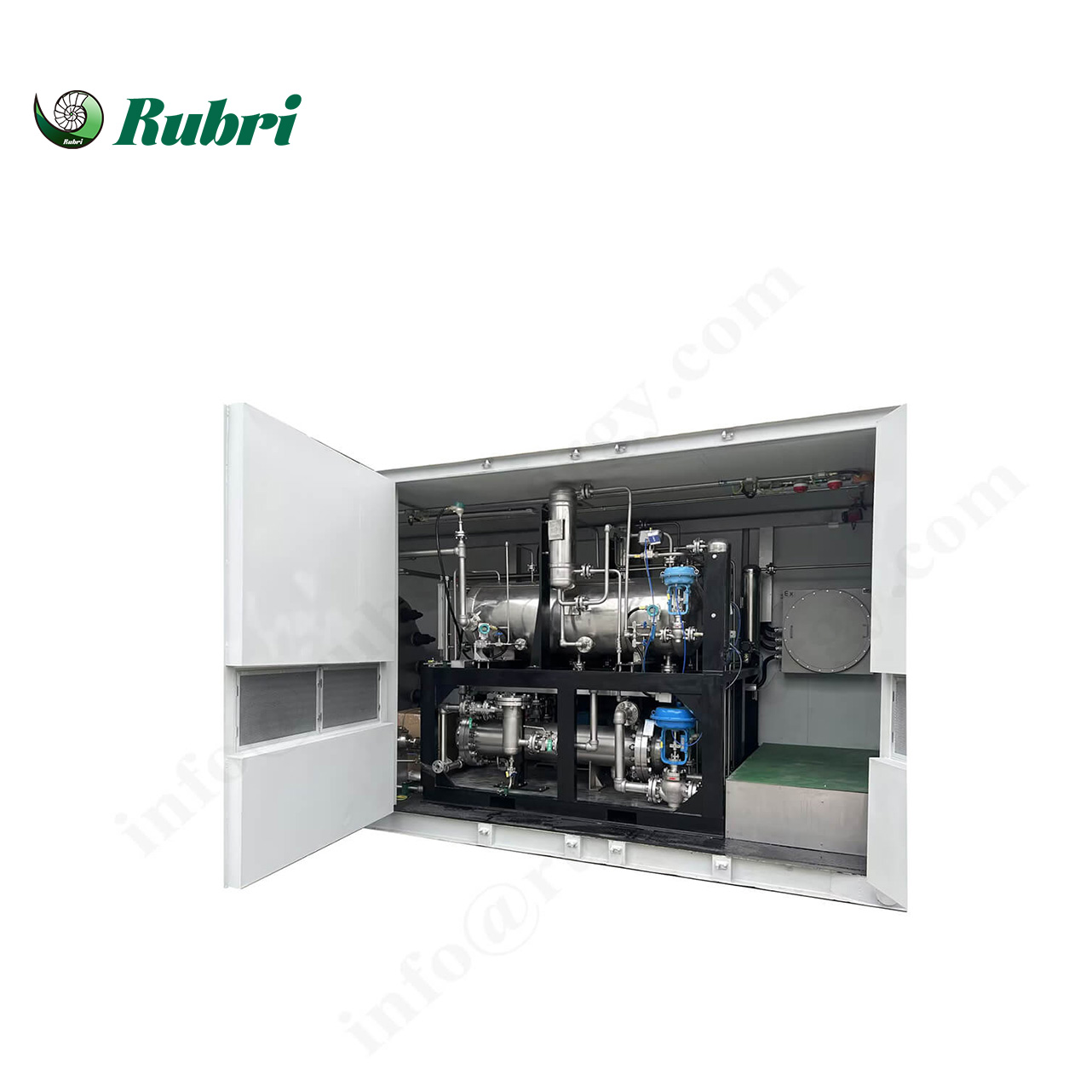
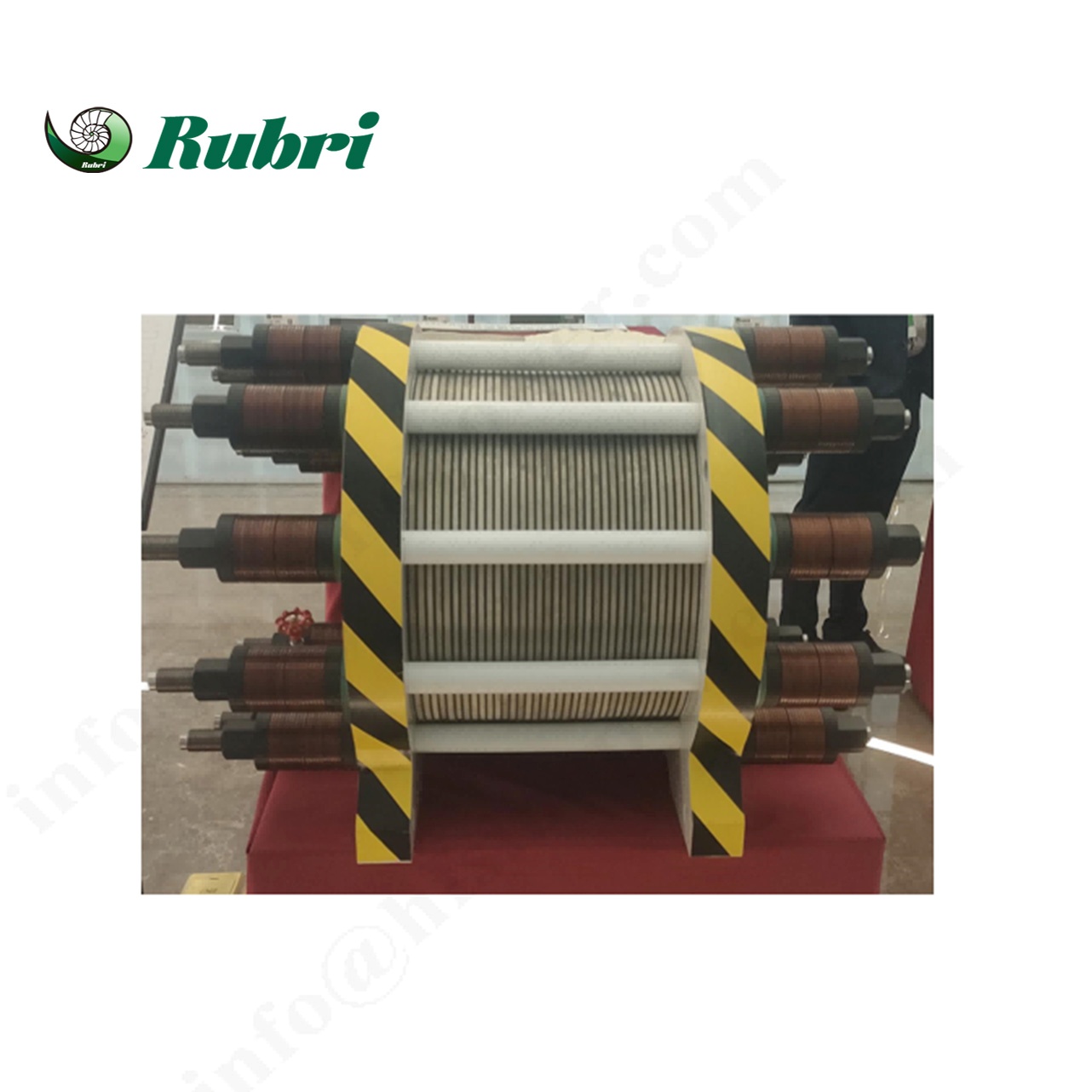
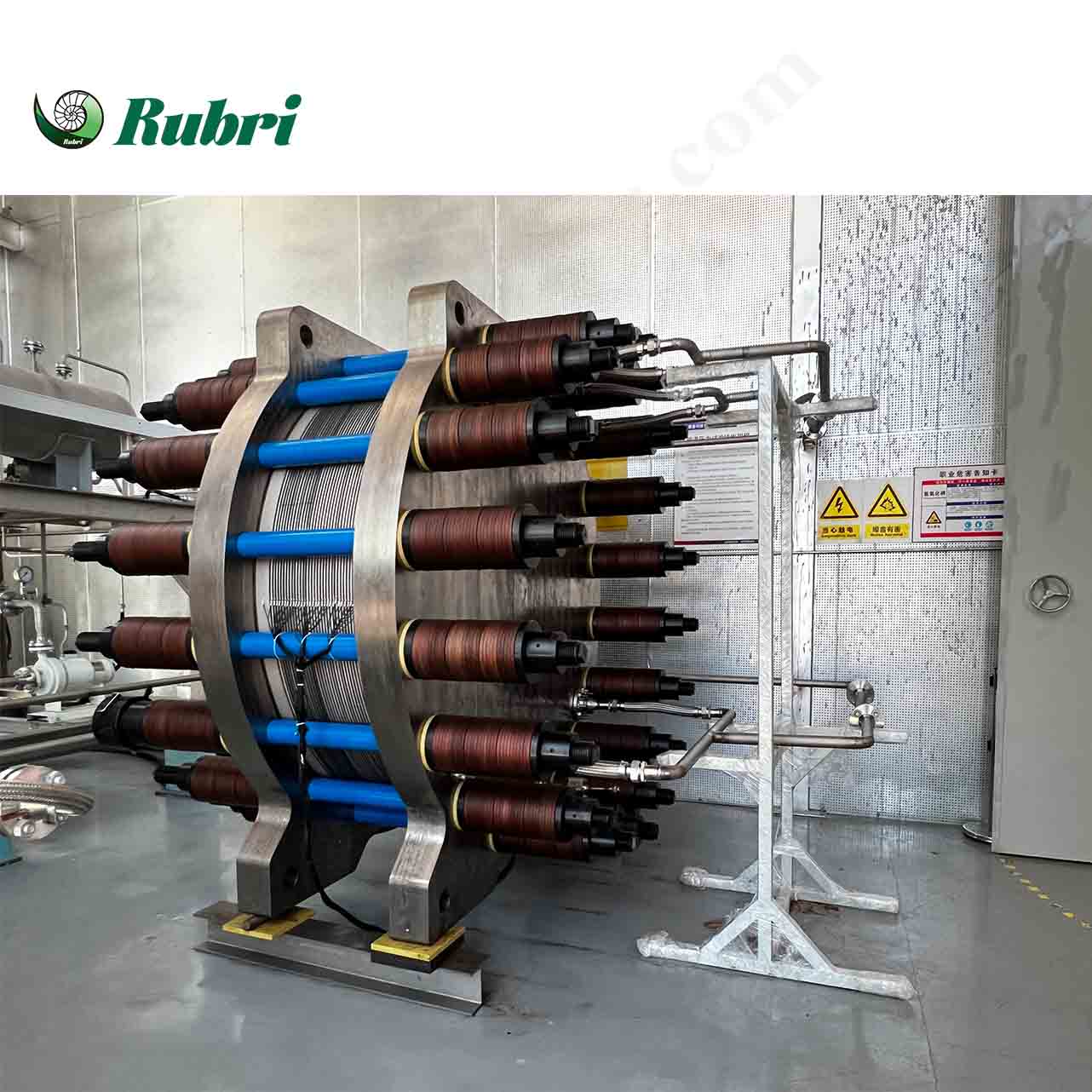
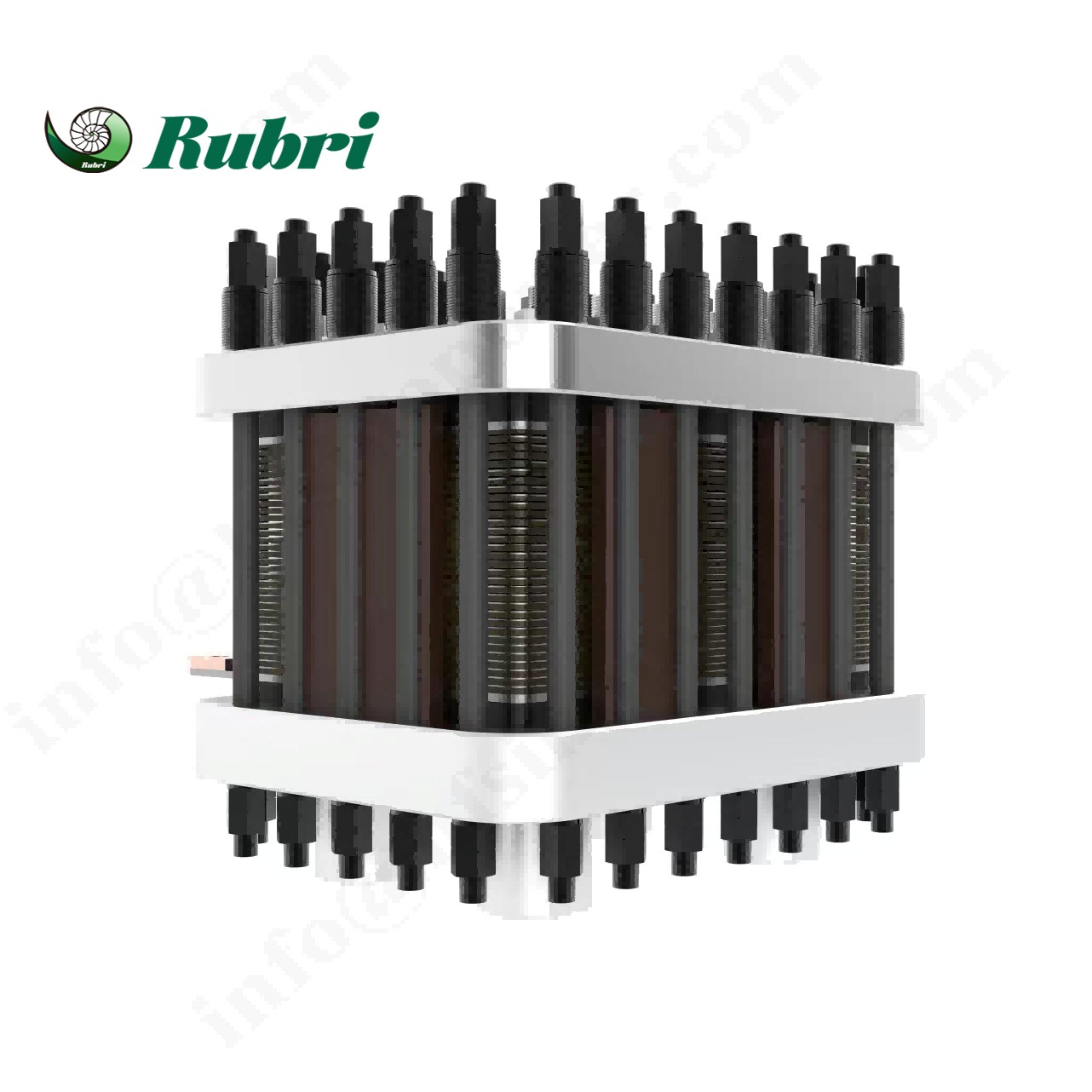
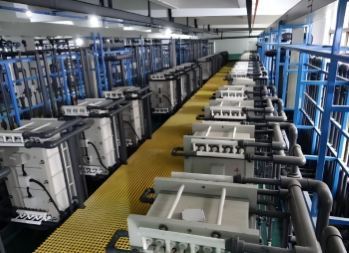
이 기술은 양극성 막 전기투석 원리를 기반으로 합니다. 직류 전기장의 작용 하에 양극성 막을 이용하여 물 분자를 수소 이온과 수산화 이온으로 효율적으로 분리합니다. 이 과정을 통해 도금 폐수 내의 염(염화나트륨, 황산나트륨 등)을 상응하는 산(염산, 황산 등)과 알칼리(수산화나트륨 등)로 선택적으로 전환시켜 폐수 정화와 자원 회수라는 두 가지 목적을 동시에 달성합니다.
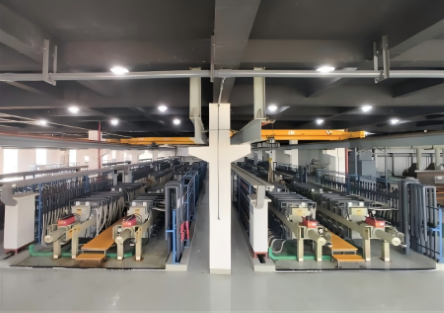
제품 상세 정보
구체적으로, 이 공정은 일반적으로 3개의 구획으로 구성된 구조를 사용하며, 각 구획은 양극성 막과 염실 막으로 이루어진 한 쌍으로 구성됩니다. 전기장의 영향 하에, 염실 내의 염 용액은 양이온(예: Na⁺)이 염실 막을 통과하여 알칼리실로 이동하고, 양극성 막에서 제공되는 OH⁻와 결합하여 알칼리를 생성합니다. 또한 음이온(예: Cl⁻, SO₄²⁻)은 염실 막을 통과하여 산성실로 이동하고, 양극성 막에서 제공되는 H⁺와 결합하여 산을 생성합니다.
--------------位---------------
사용 시나리오
1. 폐화학 니켈 도금 용액의 재생
2. 산세척 폐수 재활용
3. 산업단지 내 혼합폐수 처리
4. 구리/니켈 세척수 재사용
5. 부동태화 용액의 재생
--------------位---------------
왜 우리를 선택해야 할까요?
1. 높은 수준의 맞춤 설정을 지원합니다.
2. 에너지 효율이 높고 성능이 뛰어난 제품
3. 다양한 유량 및 농도 옵션
4. 친환경적인
--------------位---------------
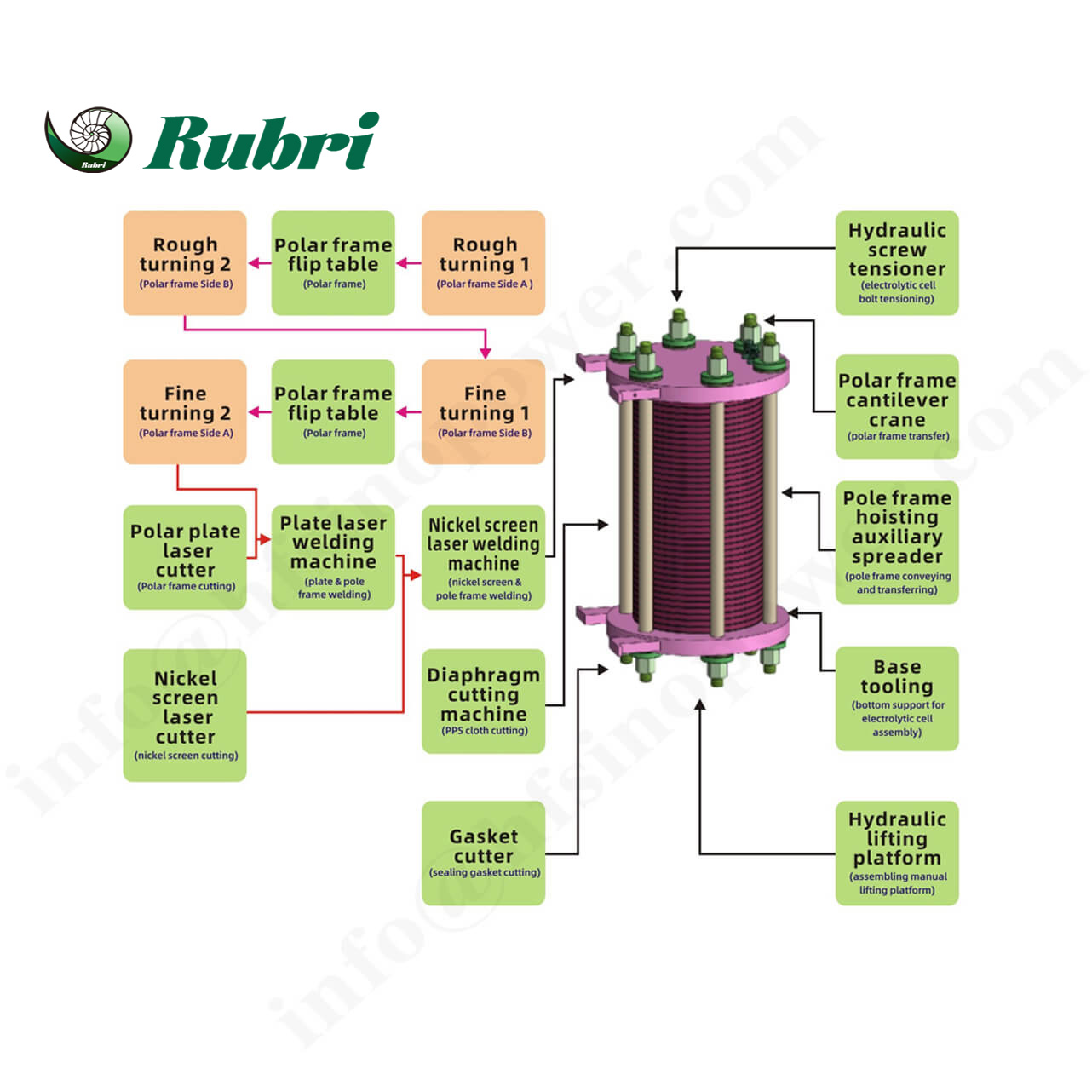
루브리는 고객에게 알칼리 수소 생산 장비 및 구성 요소에 대한 완벽한 솔루션을 제공합니다. 우리의 가장 큰 장점은 맞춤형 서비스입니다.
더 읽어보기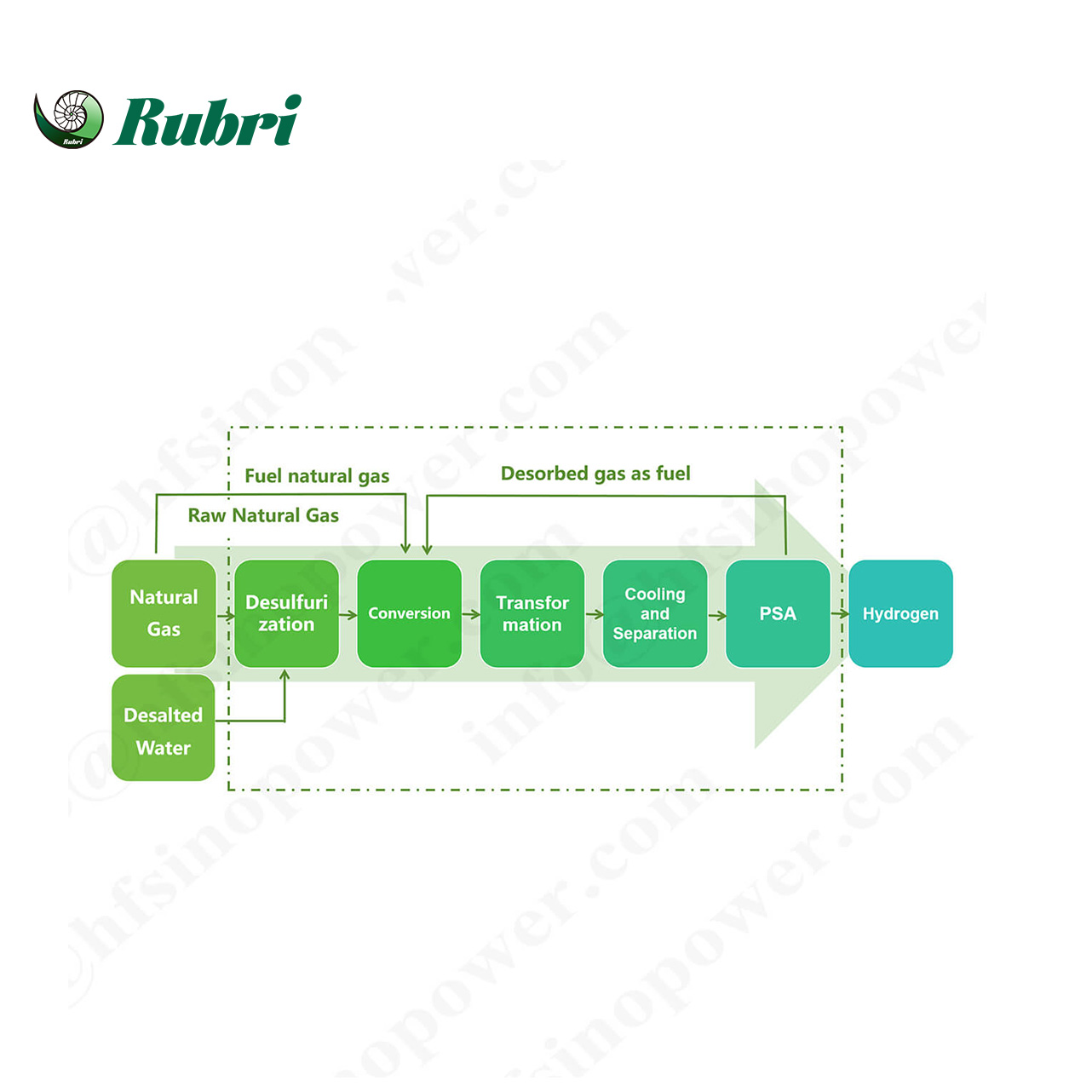
루브리는 천연가스 수소 생산의 전체 과정을 잘 알고 있으며, 설계와 심층적인 맞춤화에 능숙하며, 고객에게 광범위한 솔루션을 제공합니다.
더 읽어보기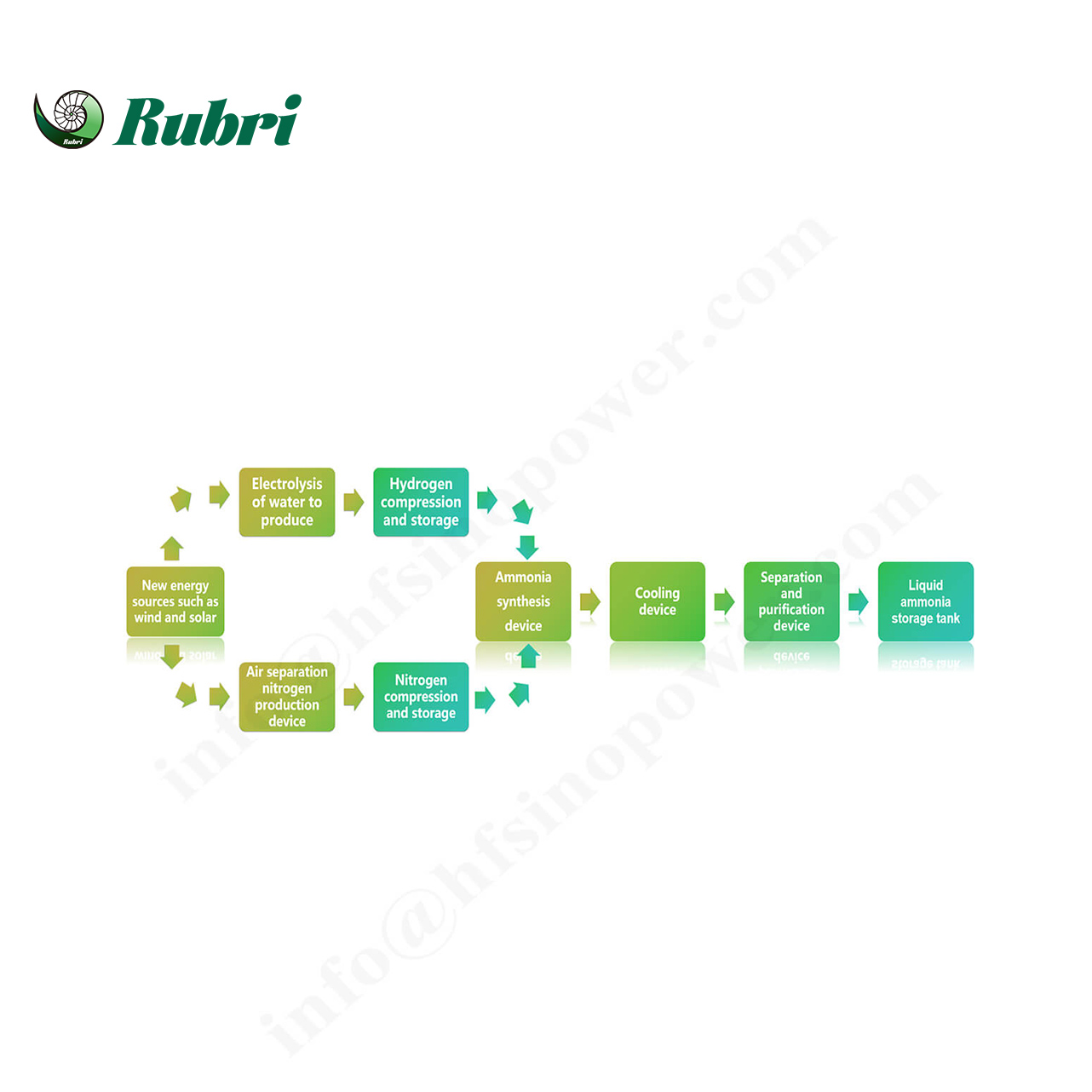
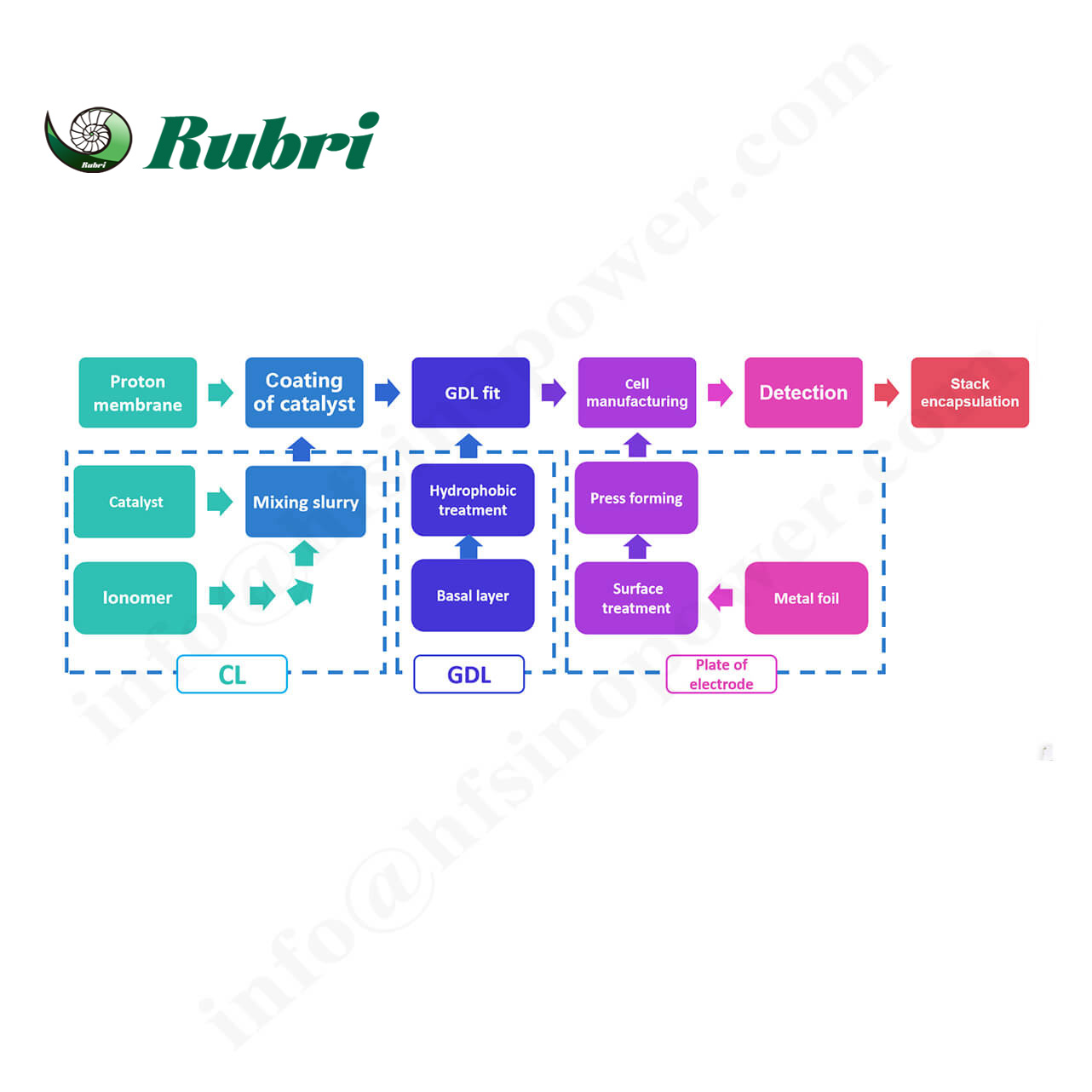
우리는 고객의 실제 적용 시나리오에서 시작하여 고객의 요구 사항을 연구하고, 적용 시나리오와 요구 사항을 기반으로 수소 연료 전지의 연구 개발을 지원하여 포괄적인 솔루션을 제공합니다.
더 읽어보기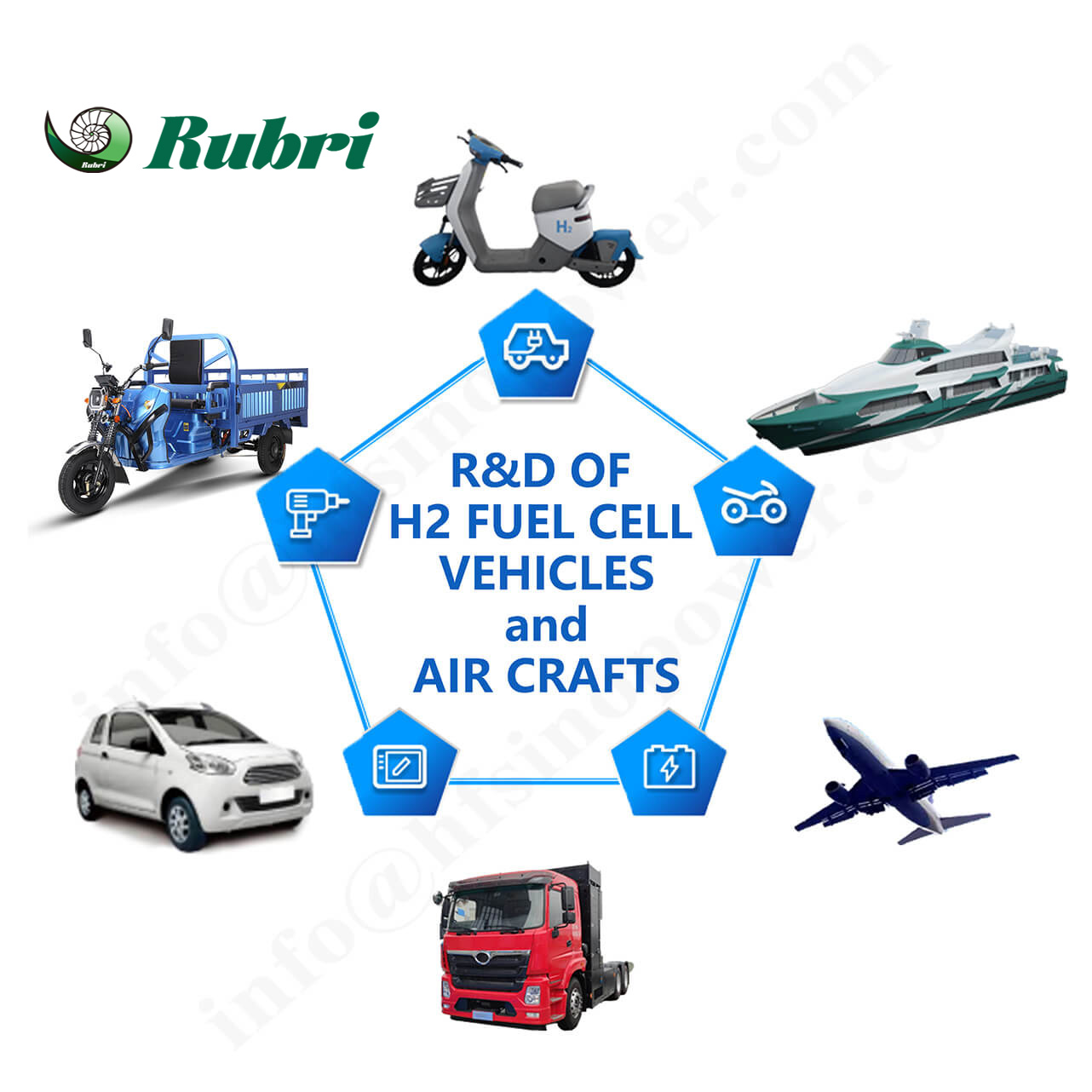
이륜차, 삼륜차, 전기차... 수소 연료 전지차의 사용이 점점 더 늘어나고 있습니다. 과학 연구자, 자동차 딜러, 신에너지 제품 애호가 등 누구에게나 적합한 맞춤형 연구 개발 솔루션을 여기에서 찾으실 수 있습니다.
더 읽어보기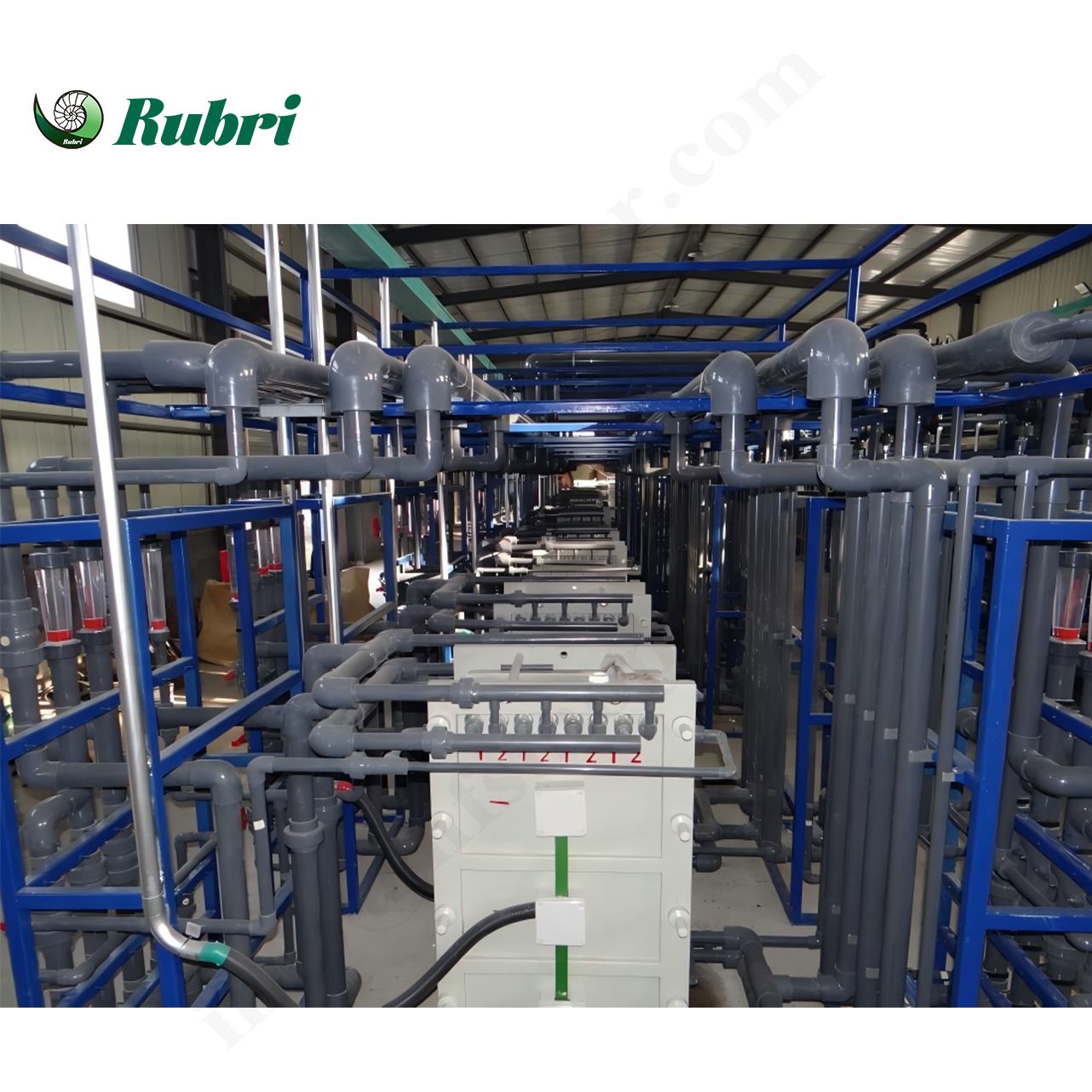
소개양극성 막 전기투석(BMED)은 특수 막 구조를 이용하여 염을 해당 산과 염기로 직접 전환하는 첨단 전기화학적 분리 기술입니다. 핵심 구성 요소는 양이온 교환층과 음이온 교환층이 적층된 양극성 막(BPM)입니다. 직류(DC) 전기장의 영향으로 BPM은 접합부에서 물 분자의 해리를 촉매하여 H⁺ 및 OH⁻ 이온을 생성합니다. 이 이온들은 막 구조를 통해 이동하여 염 용액의 음이온 및 양이온과 반응함으로써 산과 염기 생성물을 동시에 생성합니다.
더 읽어보기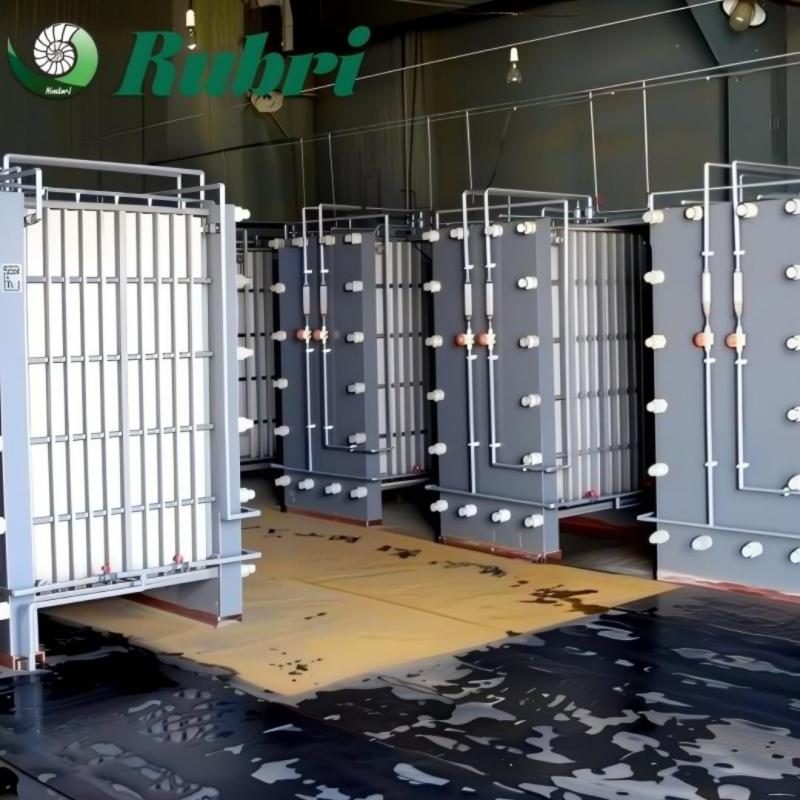
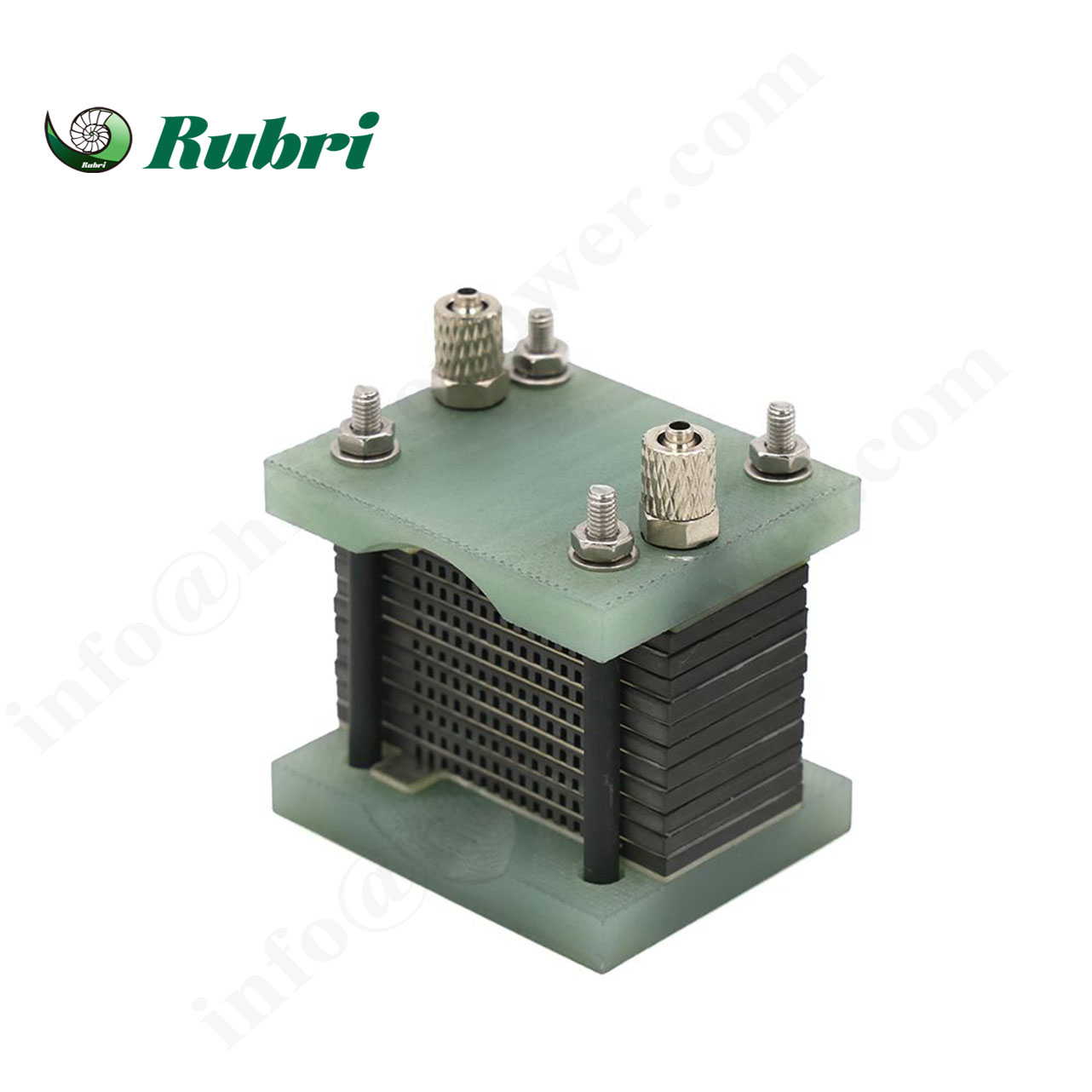
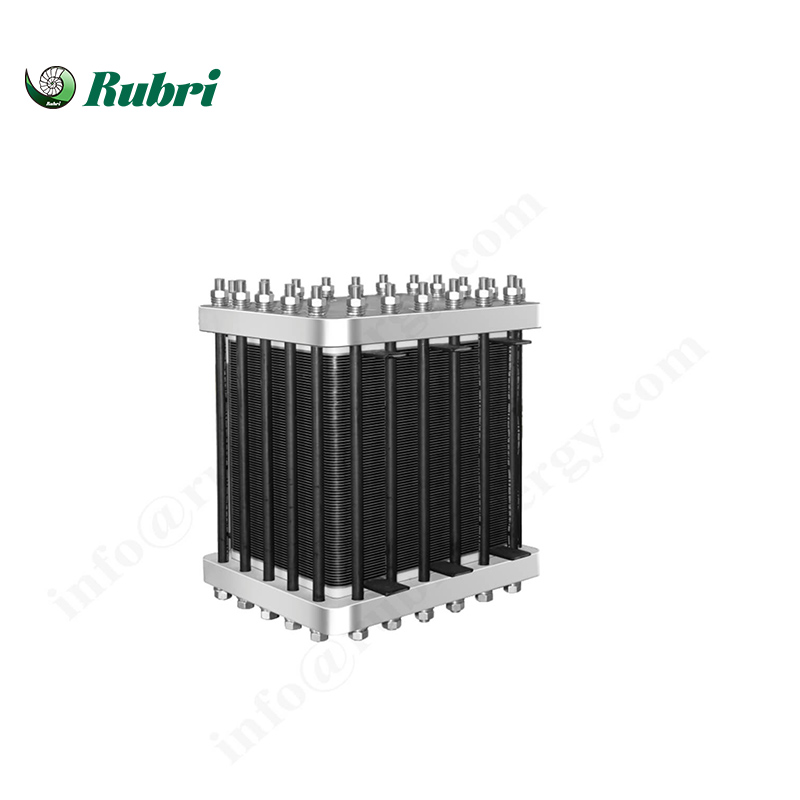
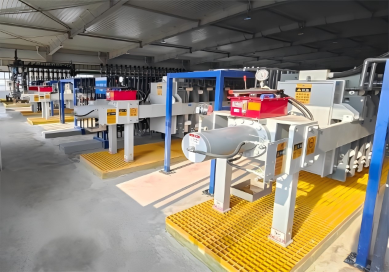
전기투석기는 전기투석 기술을 적용한 핵심 이온 분리 장비입니다. 직류 전기장을 인가하고 음이온 및 양이온 교환막을 적절히 조합하여 액체 내 이온의 방향성 이동 및 분리를 실현합니다. 구조가 간단하고 신뢰성이 높으며, 사용 규모에 따라 나사식과 유압식 일체형으로 구분됩니다. 해수 담수화, 산업 폐수 처리, 식품 농축, 의약품 정제 및 신에너지 전해액 처리 등 다양한 분야에 널리 적용되어 용액의 담수화, 농축 및 이온 불순물 제거를 효율적으로 수행합니다.
더 읽어보기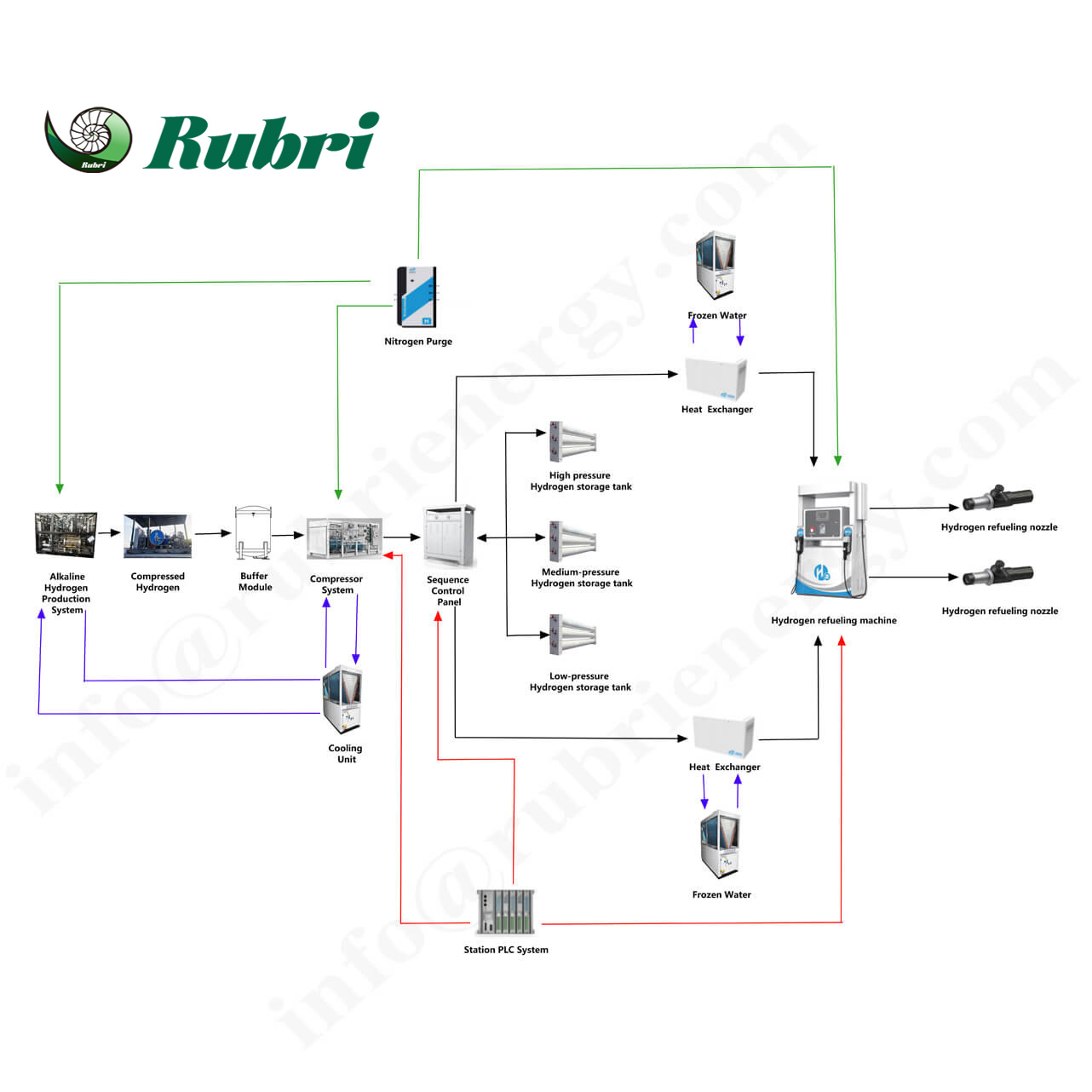
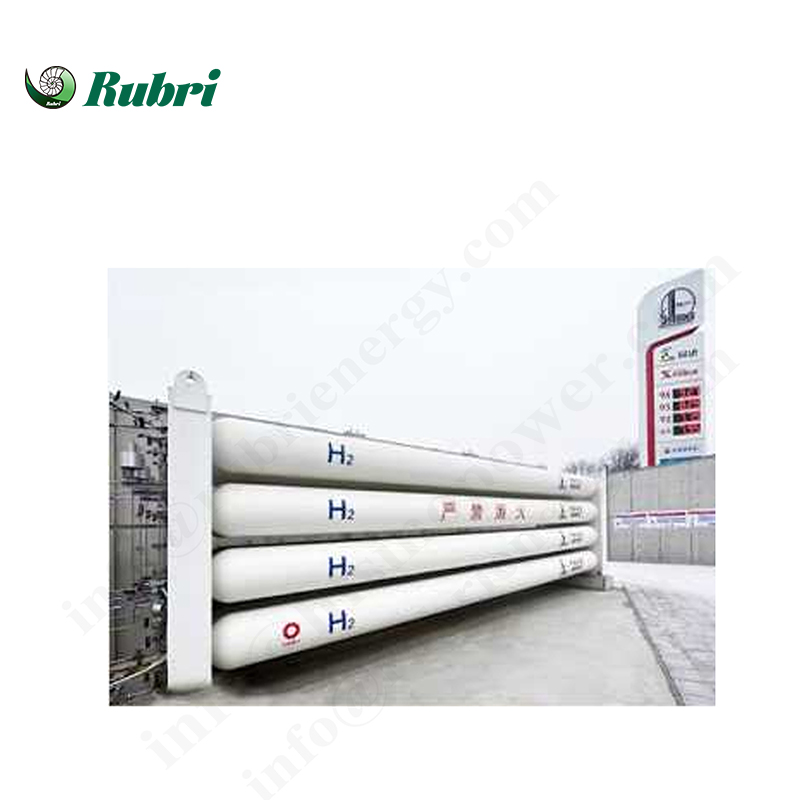
당사의 전문적인 맞춤형 서비스를 통해 수소 충전소의 설계 및 건설 솔루션을 얻을 수 있습니다. 우리는 고객을 위해 프로젝트 평가를 실시하고, 전문적인 제안을 제공하며, 고객의 수소 충전량, 수소 저장량 및 압력 요구 사항에 따라 적절한 수소 충전 부품을 장착합니다. 개인 프로젝트든 정부 입찰 프로젝트든, 우리의 전문 서비스를 통해 귀하의 프로젝트를 다음 단계로 끌어올릴 수 있습니다.
더 읽어보기


 IPv6 네트워크 지원