한국의
한국의 English
 français
 Deutsch
 italiano
 русский
 español
 português
 العربية
 Nederlands
 Romania
 Bulgaria
 Melayu

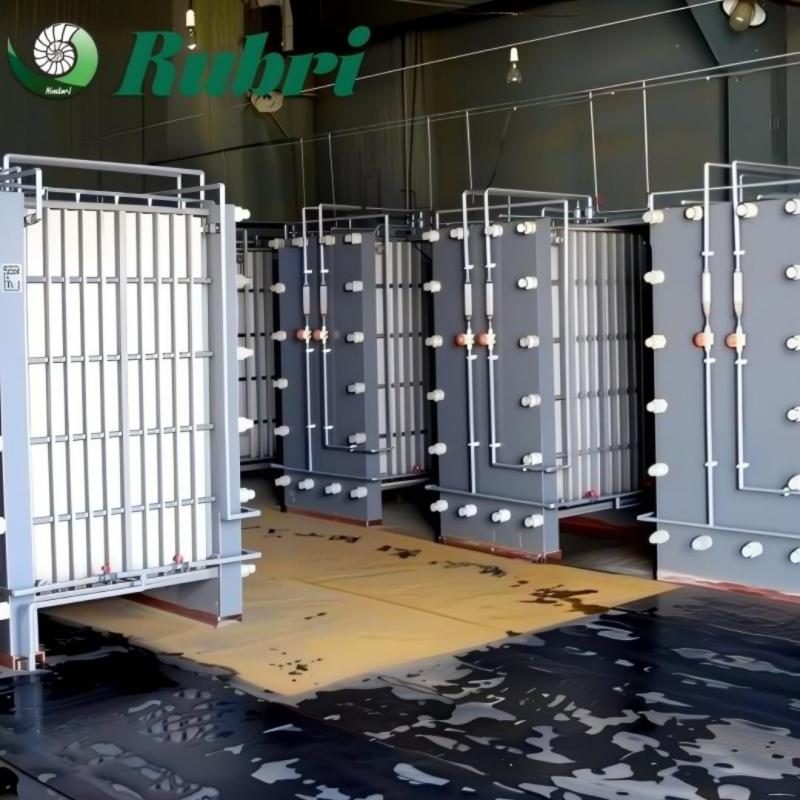
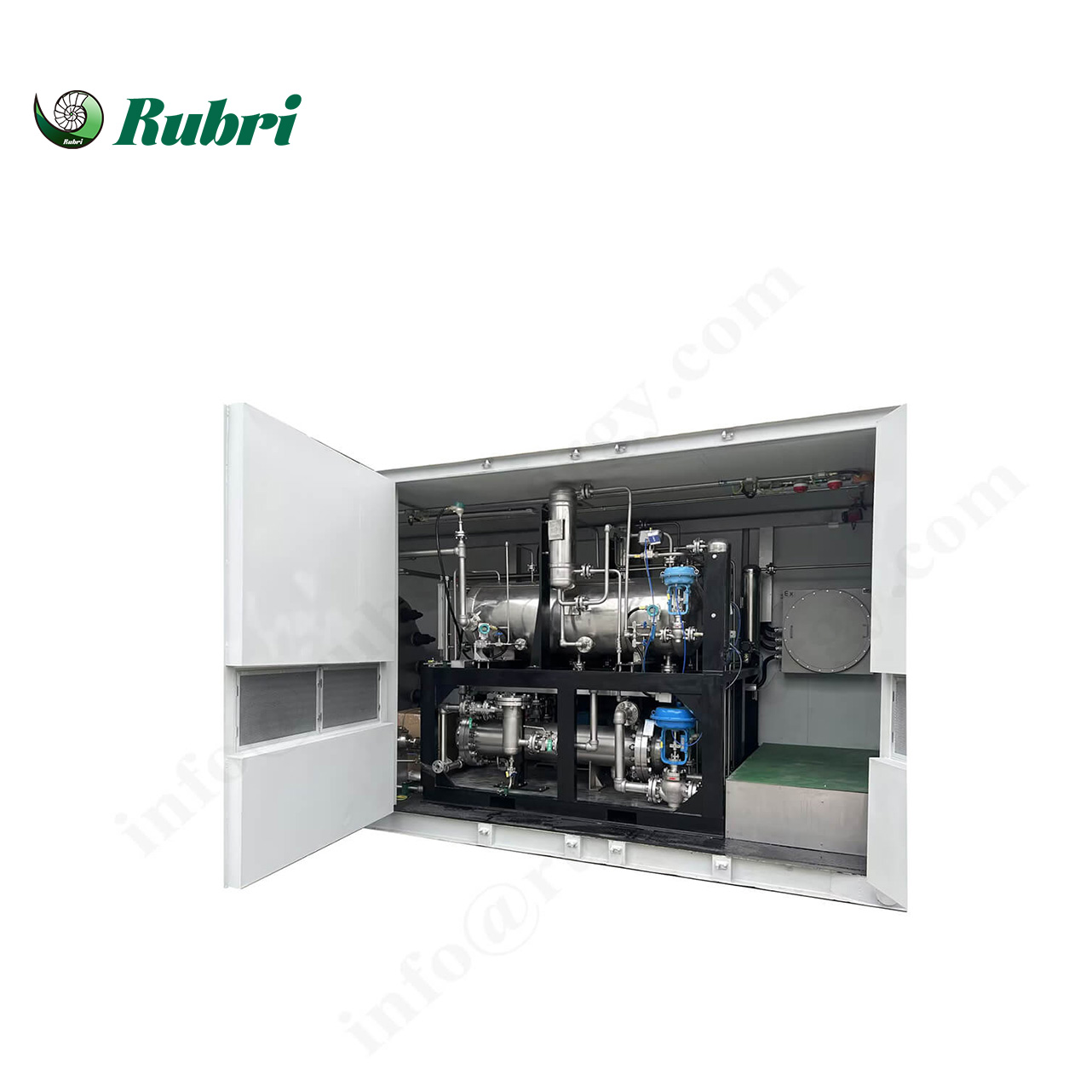
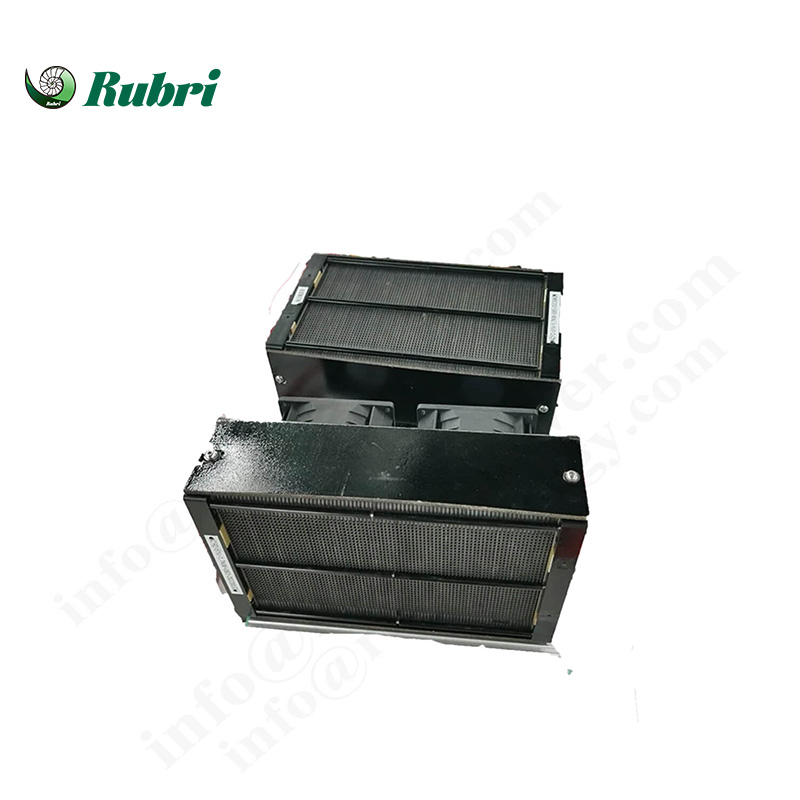
전기투석기는 전기투석 기술을 적용한 핵심 이온 분리 장비입니다. 직류 전기장을 인가하고 음이온 및 양이온 교환막을 적절히 조합하여 액체 내 이온의 방향성 이동 및 분리를 실현합니다. 구조가 간단하고 신뢰성이 높으며, 사용 규모에 따라 나사식과 유압식 일체형으로 구분됩니다. 해수 담수화, 산업 폐수 처리, 식품 농축, 의약품 정제 및 신에너지 전해액 처리 등 다양한 분야에 널리 적용되어 용액의 담수화, 농축 및 이온 불순물 제거를 효율적으로 수행합니다.
I. 정의
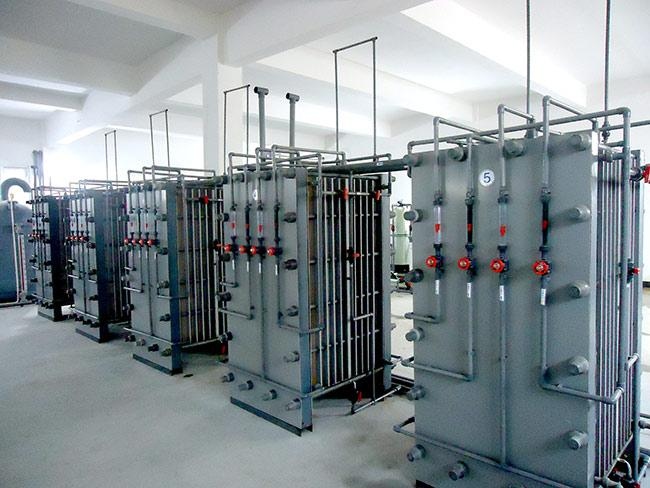
안 e전기투석기는 직류(DC) 전기장의 작용으로 이온 교환막(음이온 교환막 및 양이온 교환막)을 이용하여 이온을 선택적으로 이동시키는 장치입니다. 핵심 원리는 전기장에 의해 용액 내 양이온은 음극으로 이동하여 양이온 교환막을 통과하고, 음이온은 양극으로 이동하여 음이온 교환막을 통과함으로써 용액의 담수화 또는 농축이 이루어진다는 것입니다. 이 장비는 해수 및 산업 폐수와 같은 염수 처리에 적합하며, 비이온성 성분은 유지하면서 이온성 불순물을 효율적으로 제거할 수 있습니다.
II. 구조
막 쌍: 음이온 교환막, 희석 구획 스페이서, 양이온 교환막 및 농축 구획 스페이서가 교대로 배열된 기본 단위입니다.
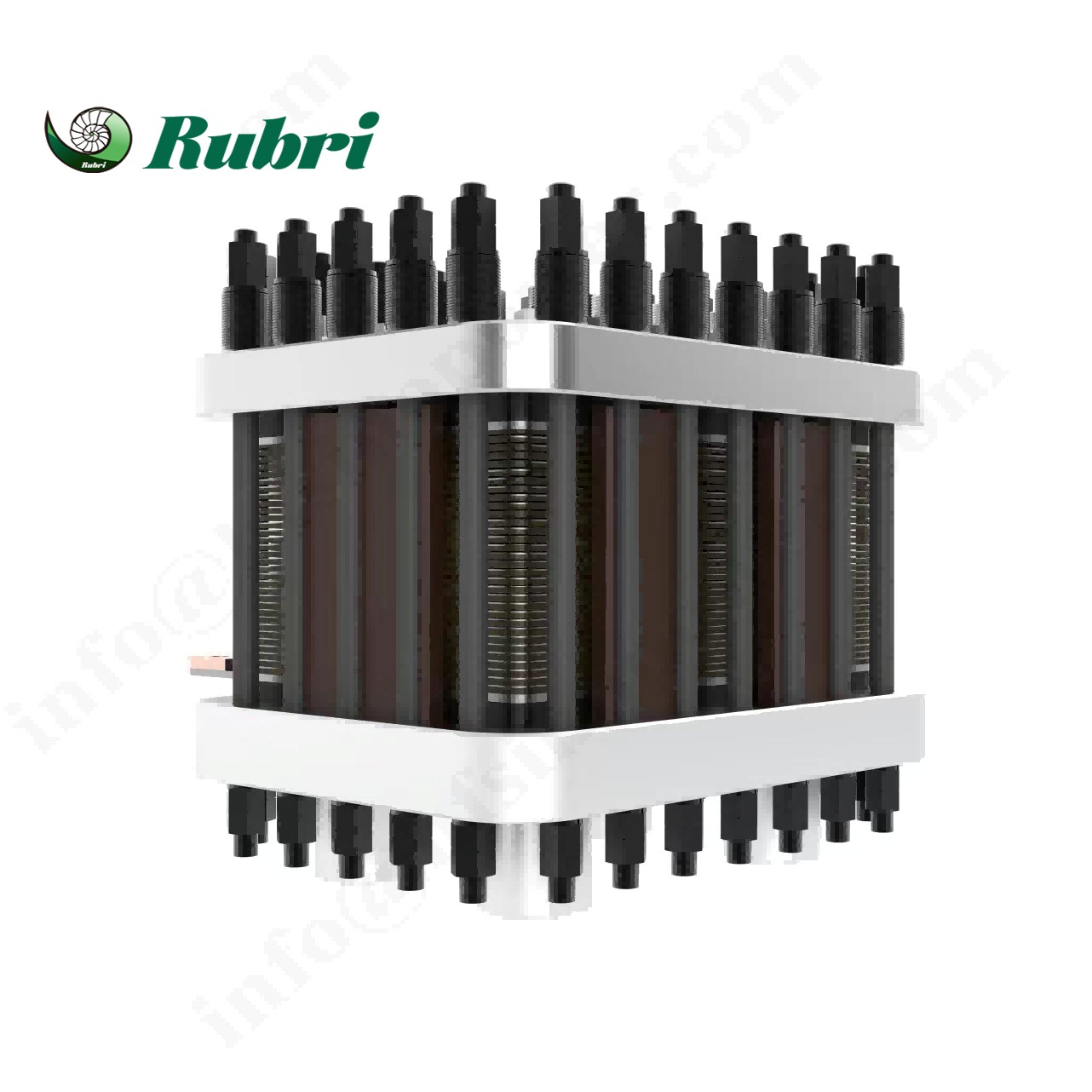
막 적층 구조: 전기투석기의 핵심 구성 요소로, 여러 개의 막 쌍을 쌓아서 조립하며 이온 분리 과정을 담당합니다.
보조 구성 요소: 막 스택의 양쪽에는 전극(전기장 생성용), 물 분배판(물 흐름을 고르게 분배용), 클램핑판(막 스택 구조 고정용)이 있습니다.
III. 분류
전기투석기는 고정 방식과 구조 설계에 따라 크게 두 가지 범주로 나뉩니다.
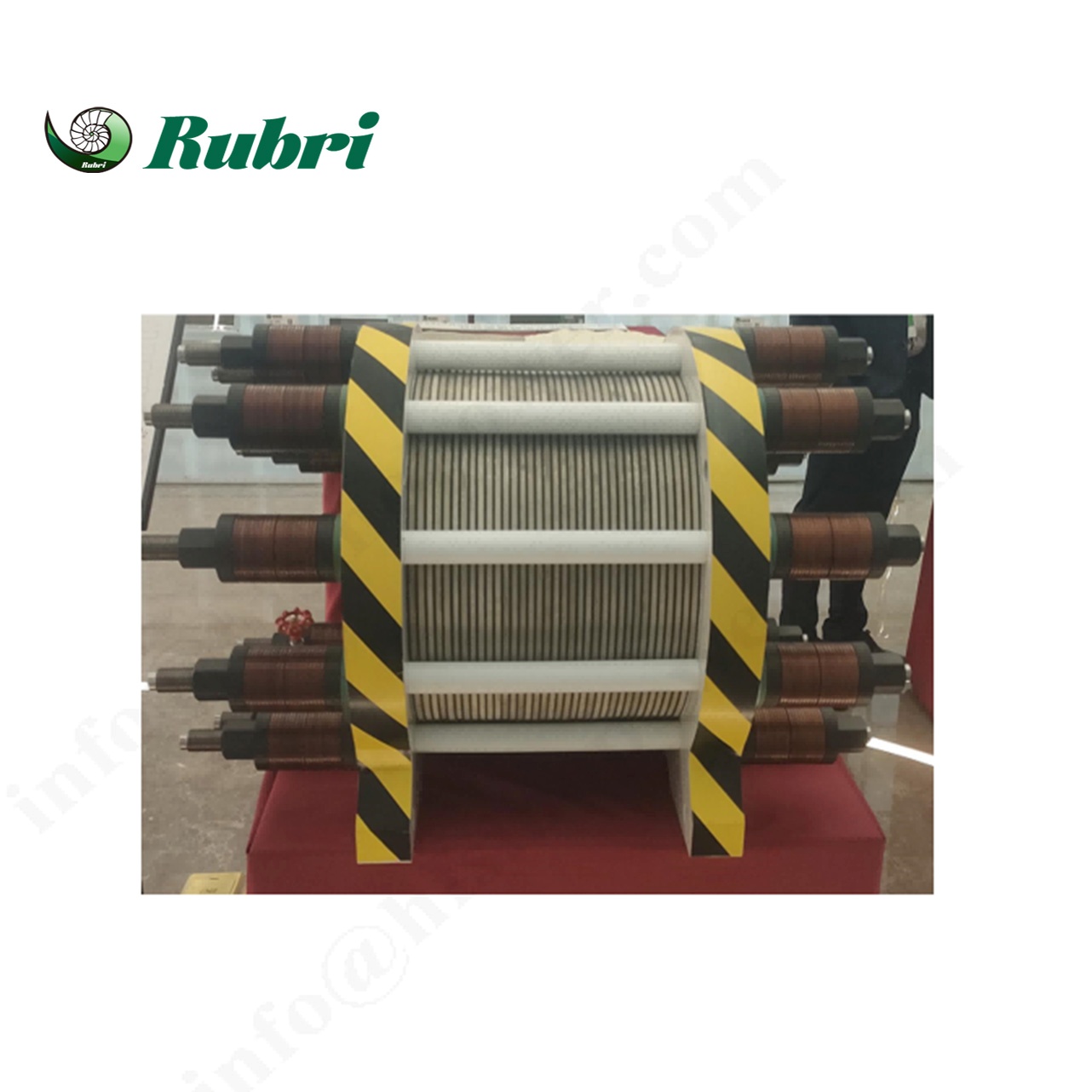
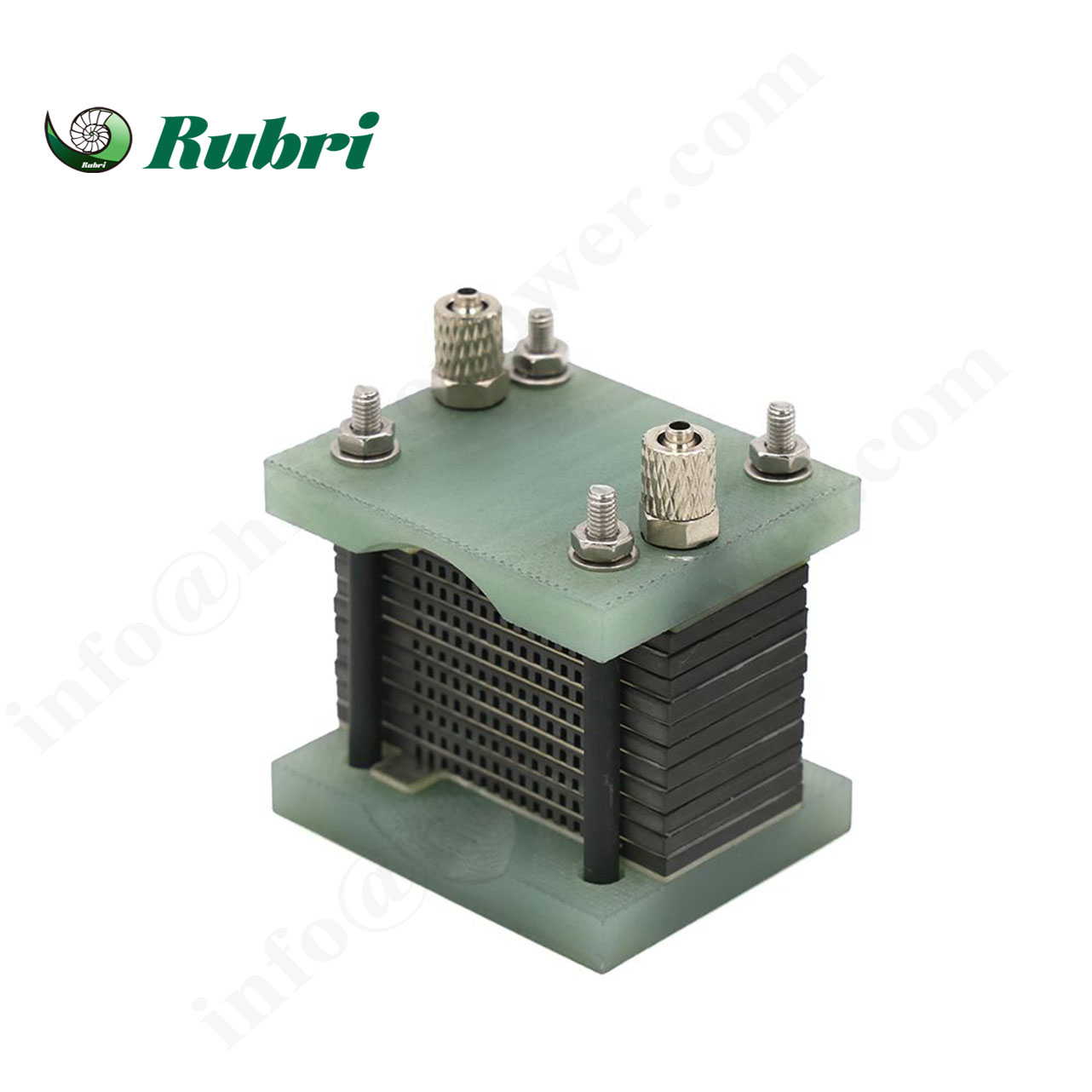
나사 고정형: 나사를 이용하여 멤브레인 스택을 기계적으로 고정합니다. 구조가 간단하고 비용이 저렴하여 소규모 및 중규모 시스템(예: 실험실 또는 소규모 수처리 시설)에 적합합니다.
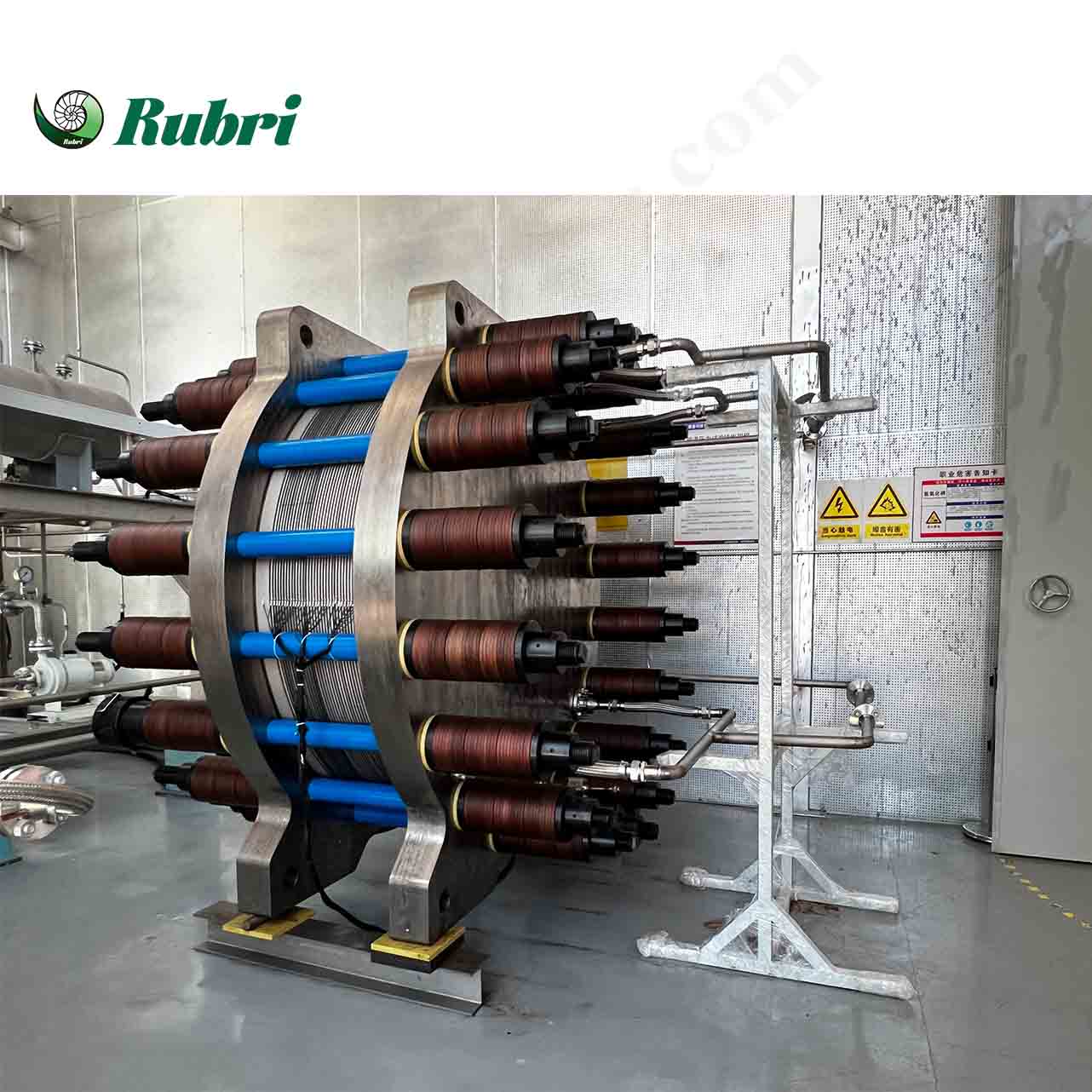
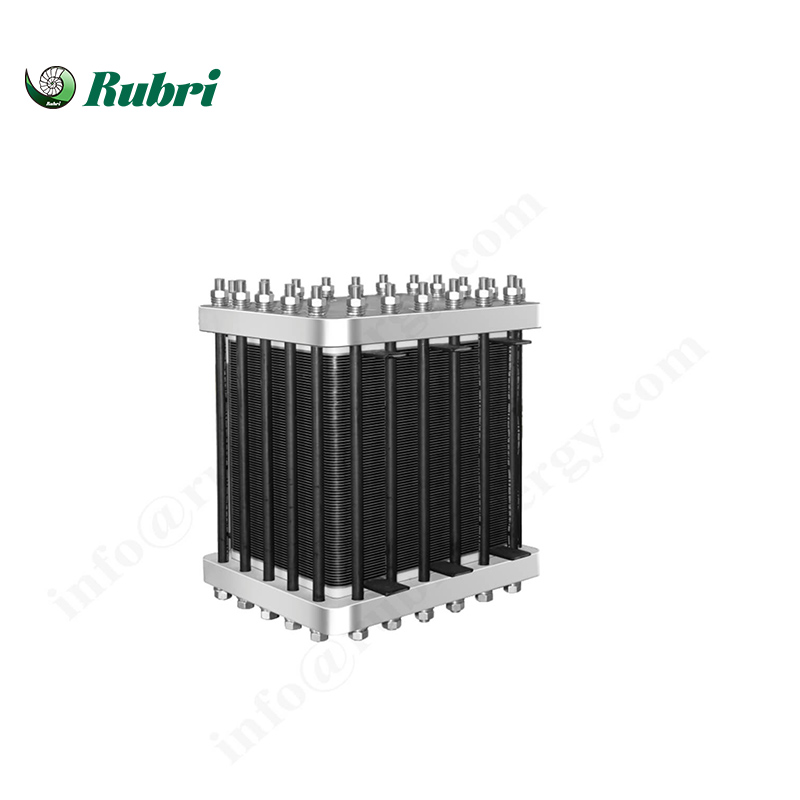
유압 일체형: 유압 시스템을 사용하여 자동 체결이 가능하며, 균일한 압력과 우수한 밀봉성을 제공합니다. 해수 담수화 설비와 같은 대규모 산업 설비에 적합하며, 멤브레인 오염을 줄이고 장비 수명을 연장합니다.
IV. 적용
전기투석기는 다양한 분야에서 핵심적인 역할을 하며, 대표적인 적용 분야는 다음과 같습니다.
수처리 및 해수 담수화: 염수 담수화(예: 내륙 지역의 식수 생산)에 사용되며, 물에서 염분을 90% 이상 제거합니다.
산업 폐수 재활용: 도금, 인쇄 및 염색과 같은 산업에서 니켈, 구리 등의 중금속 이온을 회수하여 폐수 배출량을 제로화합니다.
식품 및 제약 산업: 과일 주스, 유청 단백질을 농축하거나 의약품 원료를 정제하는 동시에 열에 민감한 물질의 활성을 유지합니다.
신에너지 분야: 수소 생산 과정에서 전해액 정화를 도와 수소 에너지 생산 효율을 향상시킵니다.
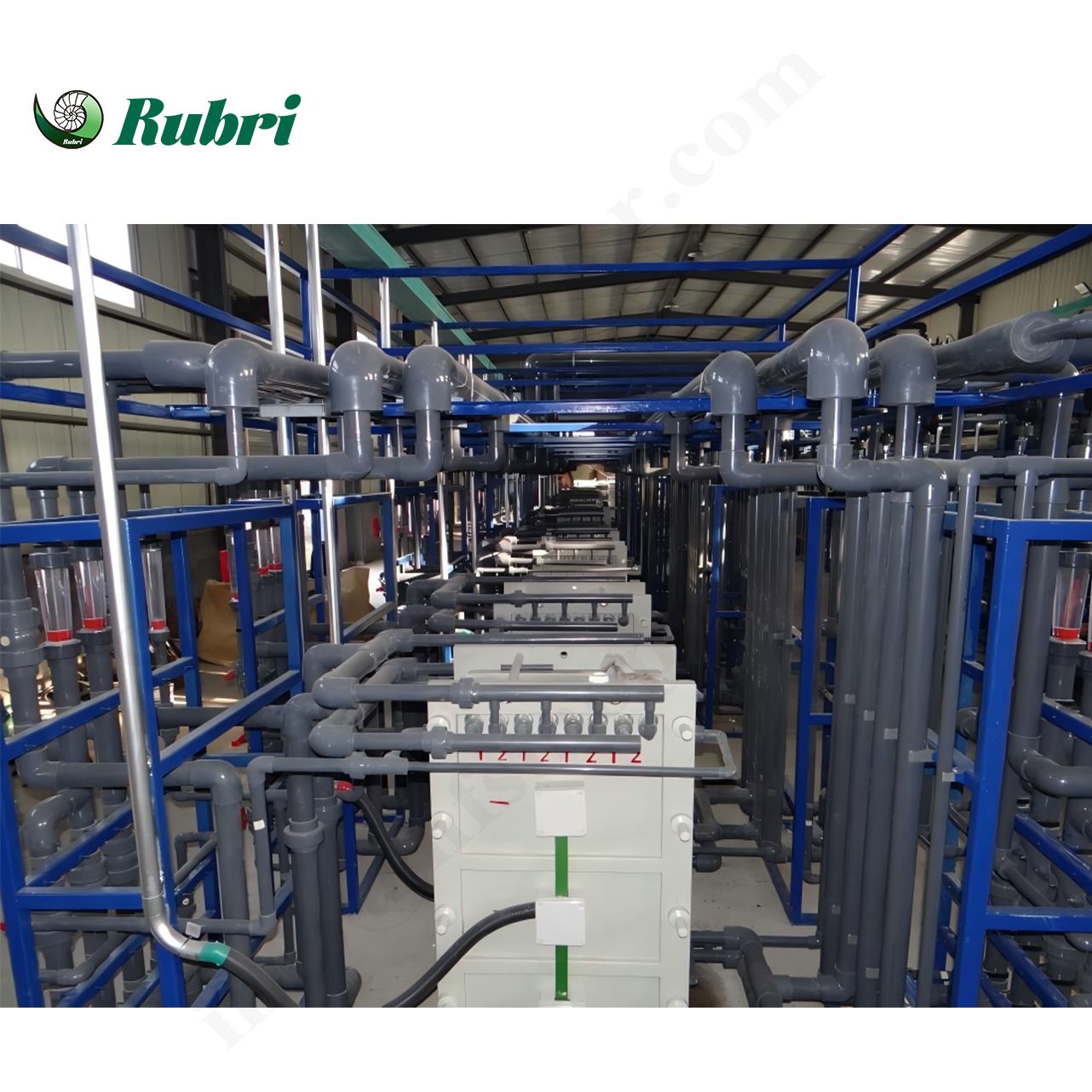
소개양극성 막 전기투석(BMED)은 특수 막 구조를 이용하여 염을 해당 산과 염기로 직접 전환하는 첨단 전기화학적 분리 기술입니다. 핵심 구성 요소는 양이온 교환층과 음이온 교환층이 적층된 양극성 막(BPM)입니다. 직류(DC) 전기장의 영향으로 BPM은 접합부에서 물 분자의 해리를 촉매하여 H⁺ 및 OH⁻ 이온을 생성합니다. 이 이온들은 막 구조를 통해 이동하여 염 용액의 음이온 및 양이온과 반응함으로써 산과 염기 생성물을 동시에 생성합니다.
더 읽어보기
전기투석기는 전기투석 기술을 적용한 핵심 이온 분리 장비입니다. 직류 전기장을 인가하고 음이온 및 양이온 교환막을 적절히 조합하여 액체 내 이온의 방향성 이동 및 분리를 실현합니다. 구조가 간단하고 신뢰성이 높으며, 사용 규모에 따라 나사식과 유압식 일체형으로 구분됩니다. 해수 담수화, 산업 폐수 처리, 식품 농축, 의약품 정제 및 신에너지 전해액 처리 등 다양한 분야에 널리 적용되어 용액의 담수화, 농축 및 이온 불순물 제거를 효율적으로 수행합니다.
더 읽어보기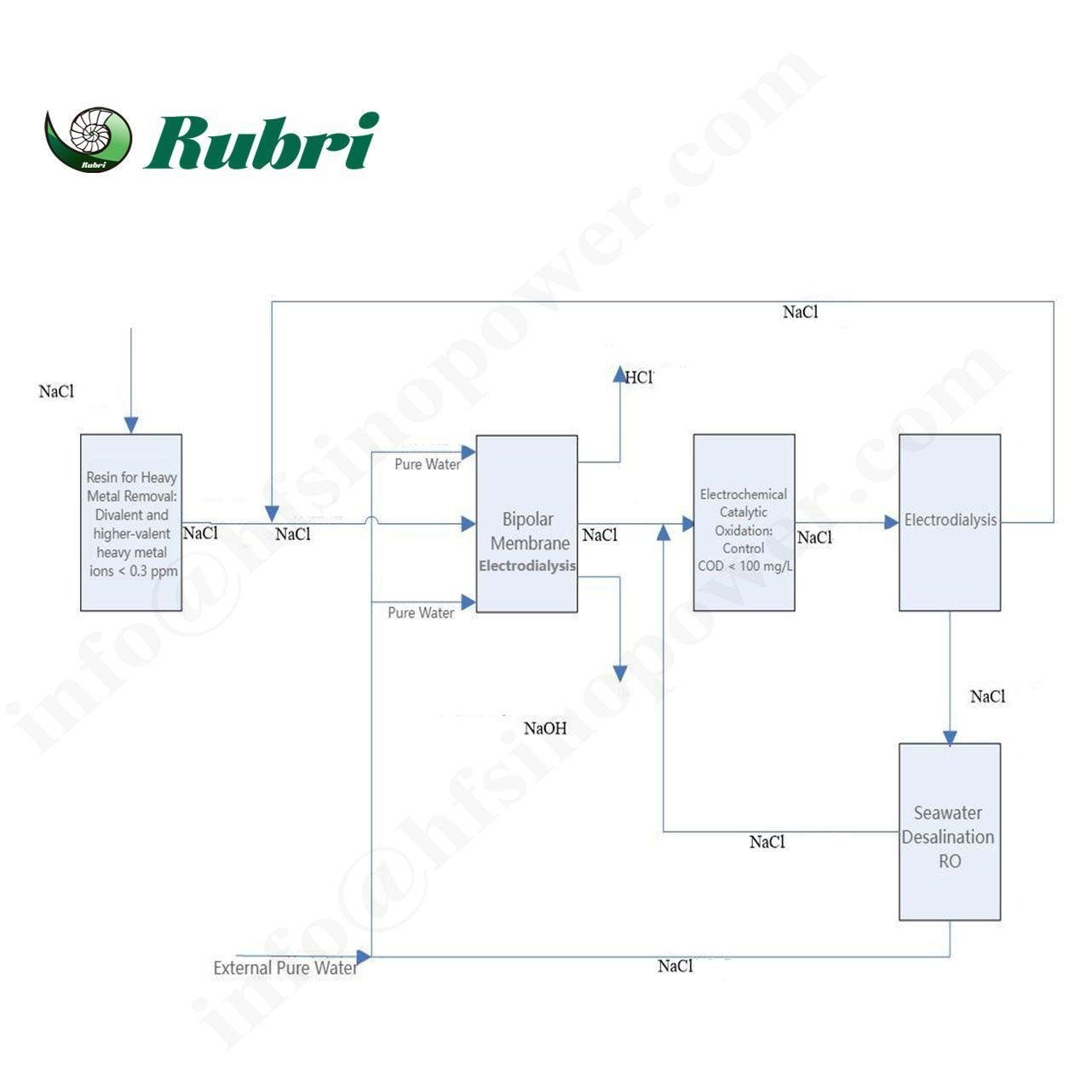
루브리는 양극성 막 전기투석 기술에 능숙하며, 맞춤형 솔루션을 설계하고 구현하는 데 능숙하여 고객에게 포괄적인 친환경적이고 깨끗한 생산 계획을 제공합니다.
더 읽어보기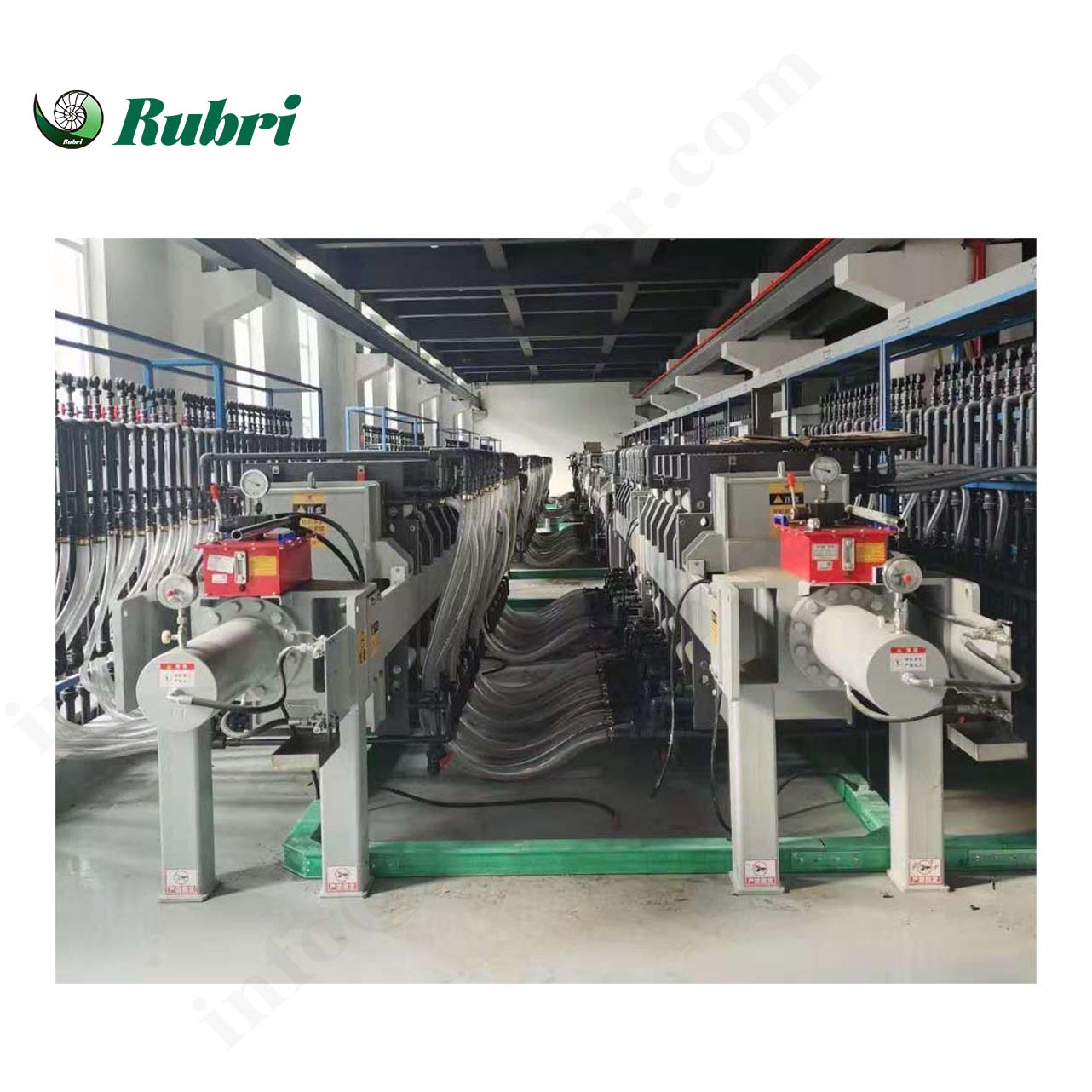
전기투석의 핵심 원리전기투석 기술의 핵심은 전기장과 선택적 막 기술의 결합에 있으며, 구체적인 원리는 크게 두 부분으로 나뉩니다.1. 직류 전기장의 구동 효과직류 전기장의 작용으로 용액 속의 음이온과 양이온은 방향성을 가지고 이동합니다. 양이온은 음극 쪽으로 이동하고, 음이온은 양극 쪽으로 이동합니다.2. 이온 교환막의 선택적 여과 효과이 시스템에서는 이온 분리를 위해 두 종류의 이온 교환막이 사용됩니다.양이온 교환막: 양이온(예: Na+)만 통과시킵니다.+, 칼슘2+마그네슘2+음이온은 차단하면서 통과시킵니다.음이온 교환막: 음이온(예: Cl⁻)만 통과시킵니다.-, 그래서42-양이온을 차단하면서 통과시킵니다.
더 읽어보기
이 기술은 양극성 막 전기투석 원리를 기반으로 합니다. 직류 전기장의 작용 하에 양극성 막을 이용하여 물 분자를 수소 이온과 수산화 이온으로 효율적으로 분리합니다. 이 과정을 통해 도금 폐수 내의 염(염화나트륨, 황산나트륨 등)을 상응하는 산(염산, 황산 등)과 알칼리(수산화나트륨 등)로 선택적으로 전환시켜 폐수 정화와 자원 회수라는 두 가지 목적을 동시에 달성합니다.
더 읽어보기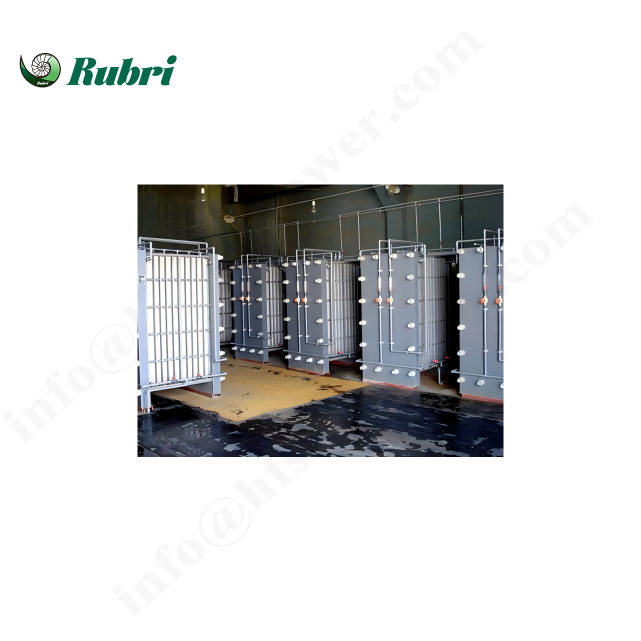
전기투석의 핵심 원리전기투석 기술의 핵심은 전기장과 선택적 막 기술의 결합에 있습니다. 그 구체적인 원리는 크게 두 부분으로 나뉩니다.직류 전기장과 농도 기울기의 구동 효과직류 전기장 또는 농도 기울기의 작용으로 용액 내 음이온과 양이온은 방향성을 가지고 이동합니다. 양이온은 음극 쪽으로 이동하고, 음이온은 양극 쪽으로 이동합니다. 용질은 고농도 용액에서 저농도 용액으로 이동합니다.이온 교환막의 선택적 체질 효과이 시스템에서는 이온 분리를 위해 두 종류의 이온 교환막이 사용됩니다.양이온 교환막: 양이온(예: Na⁺, Ca²⁺, Mg²⁺)만 통과시키고 음이온은 차단합니다.음이온 교환막: 양이온은 차단하고 음이온(예: Cl⁻, SO₄²⁻)만 통과시킵니다.
더 읽어보기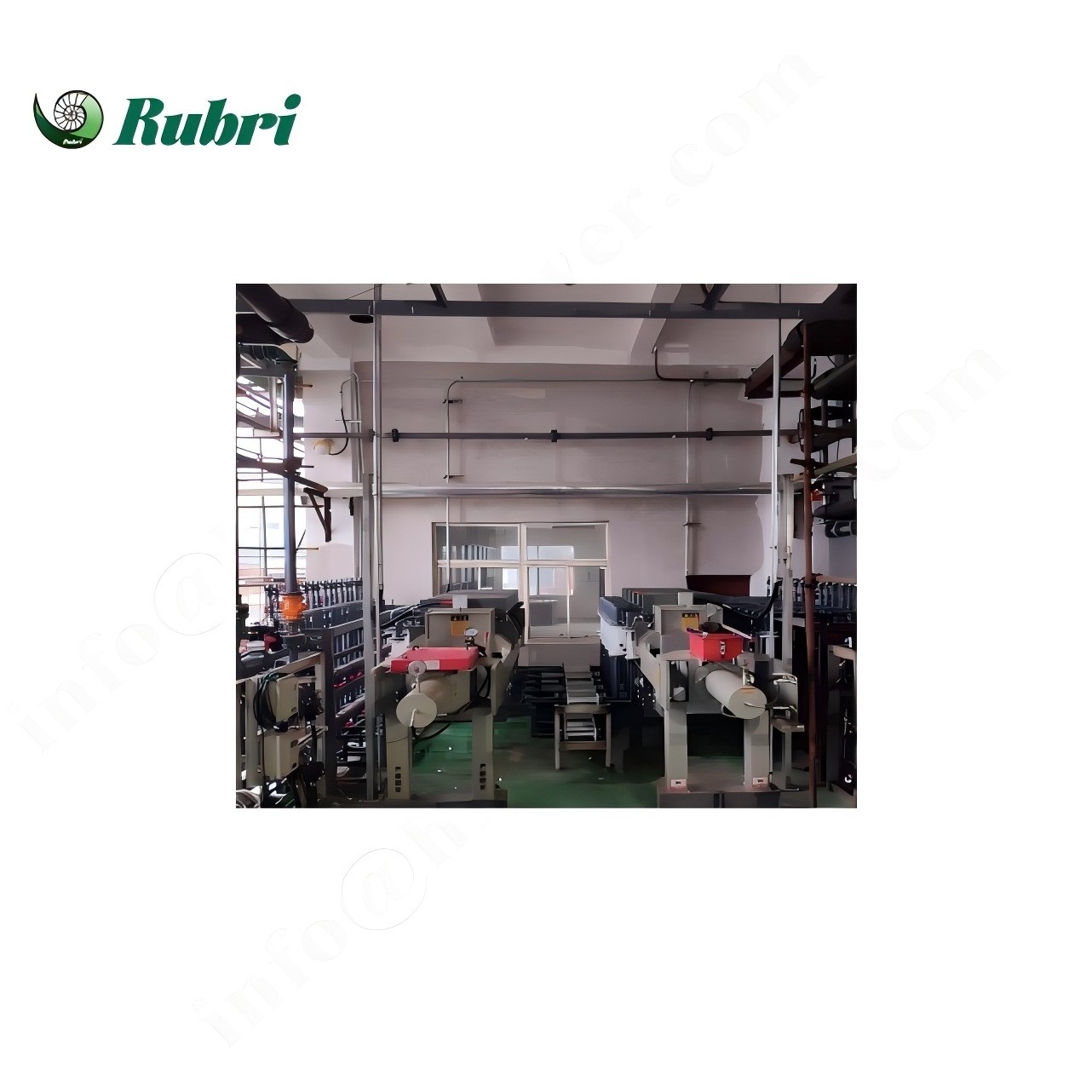
양극성 막 전기투석(BPED)의 핵심 원리BPED 기술의 핵심은 전기장, 선택적 막 기술, 그리고 양극성 막의 고유한 물 분해 능력의 결합에 있습니다.1. 직류 전기장의 구동 효과직류 전기장 하에서 이온은 방향성을 가지고 이동합니다. 양이온은 음극으로 이동하고, 음이온은 양극으로 이동합니다.2. 막의 기능양극성 막(BPM): 물을 분해합니다.물2) 안으로H+그리고OH−전기장 하에서 이온이 생성되어 산과 염기 생성의 원천이 됩니다.양이온 교환막(CEM): 양이온을 선택적으로 통과시킵니다.음이온 교환막(AEM): 음이온만 선택적으로 통과시킵니다.이러한 막들을 교대로 배열함으로써 염을 상응하는 산과 염기로 변환할 수 있다.
더 읽어보기


 IPv6 네트워크 지원