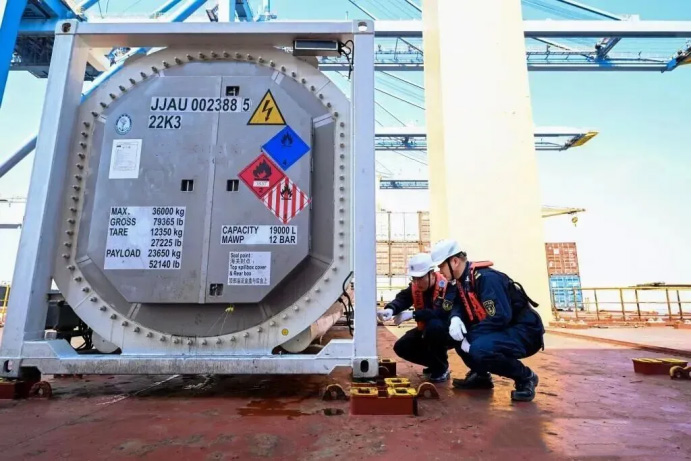
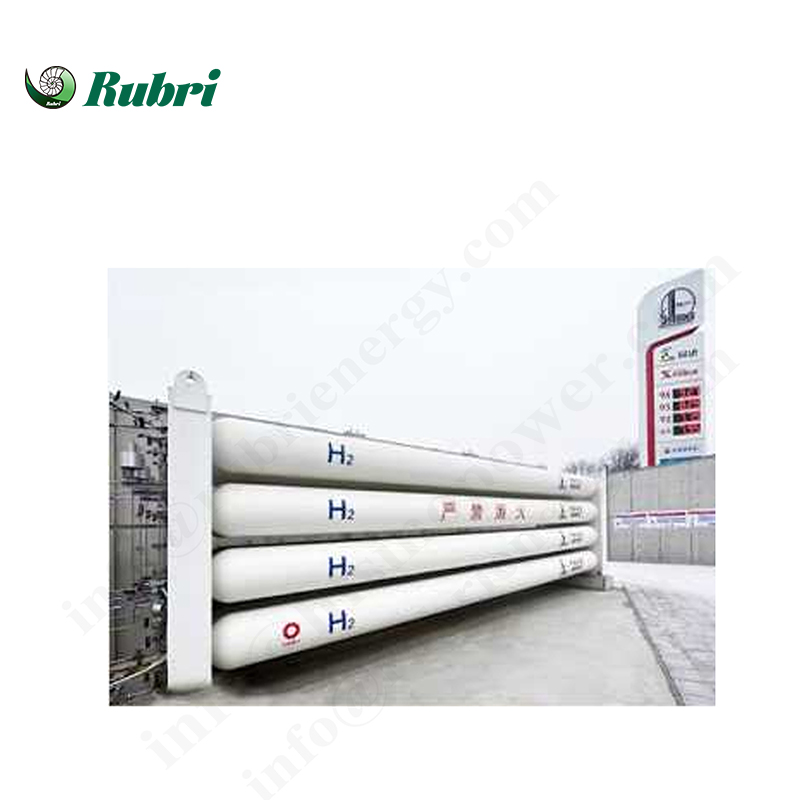
According to the Shanghai Maritime Safety Administration, on March 11, a large-scale solid-state hydrogen storage equipment, already fully charged with hydrogen, was successfully loaded onto a ship at Shanghai Waigaoqiao Port and shipped out, marking a new breakthrough in my country's independently developed solid-state hydrogen storage technology in the field of hydrogen energy storage and transportation.

The magnesium-based solid-state hydrogen storage equipment shipped this time is destined for Malaysia and is part of a formal commercial order from an overseas customer. It will be used in local hydrogen energy application projects. According to the company's preliminary estimates, the hydrogen transportation scale for related projects will be approximately 500 tons by 2026.
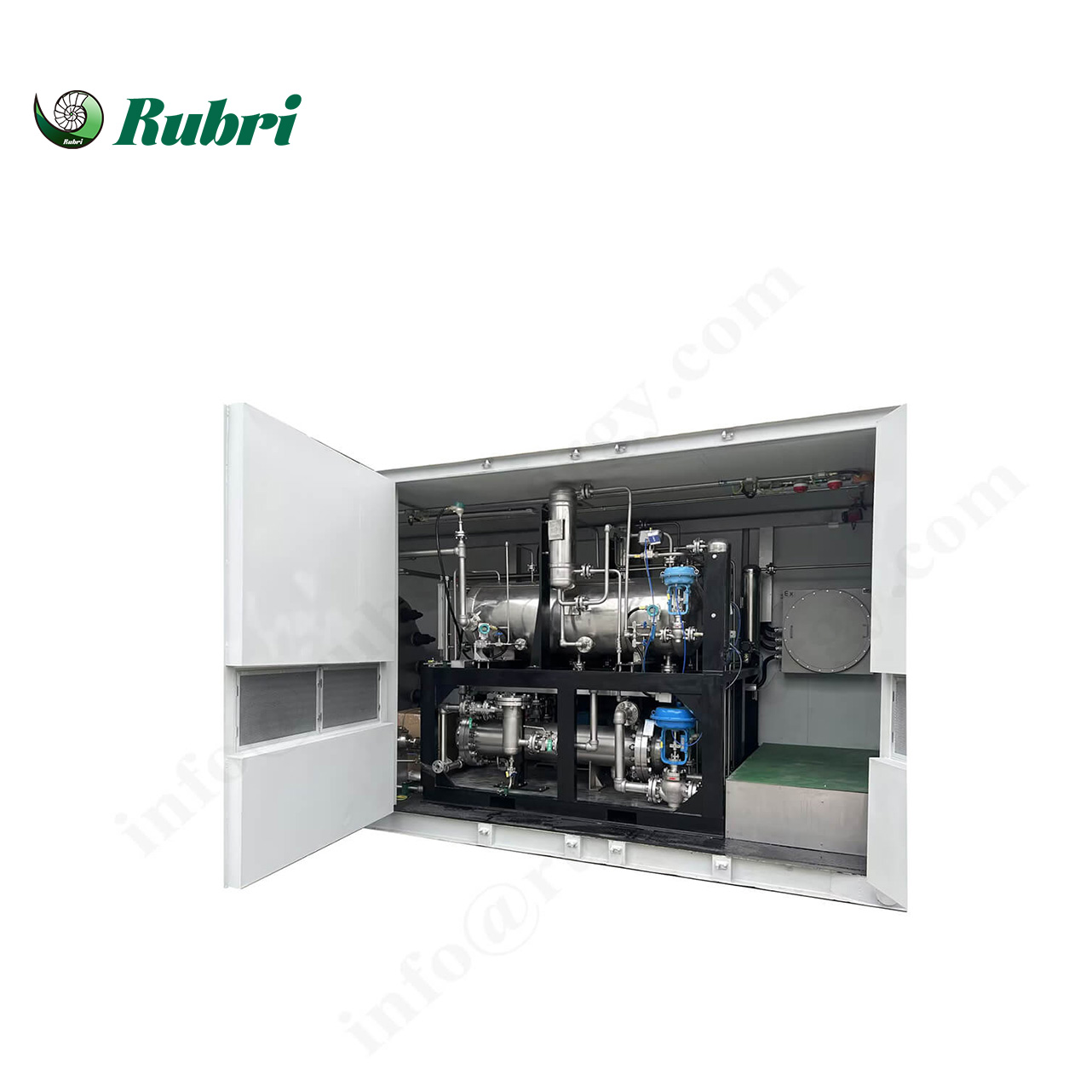
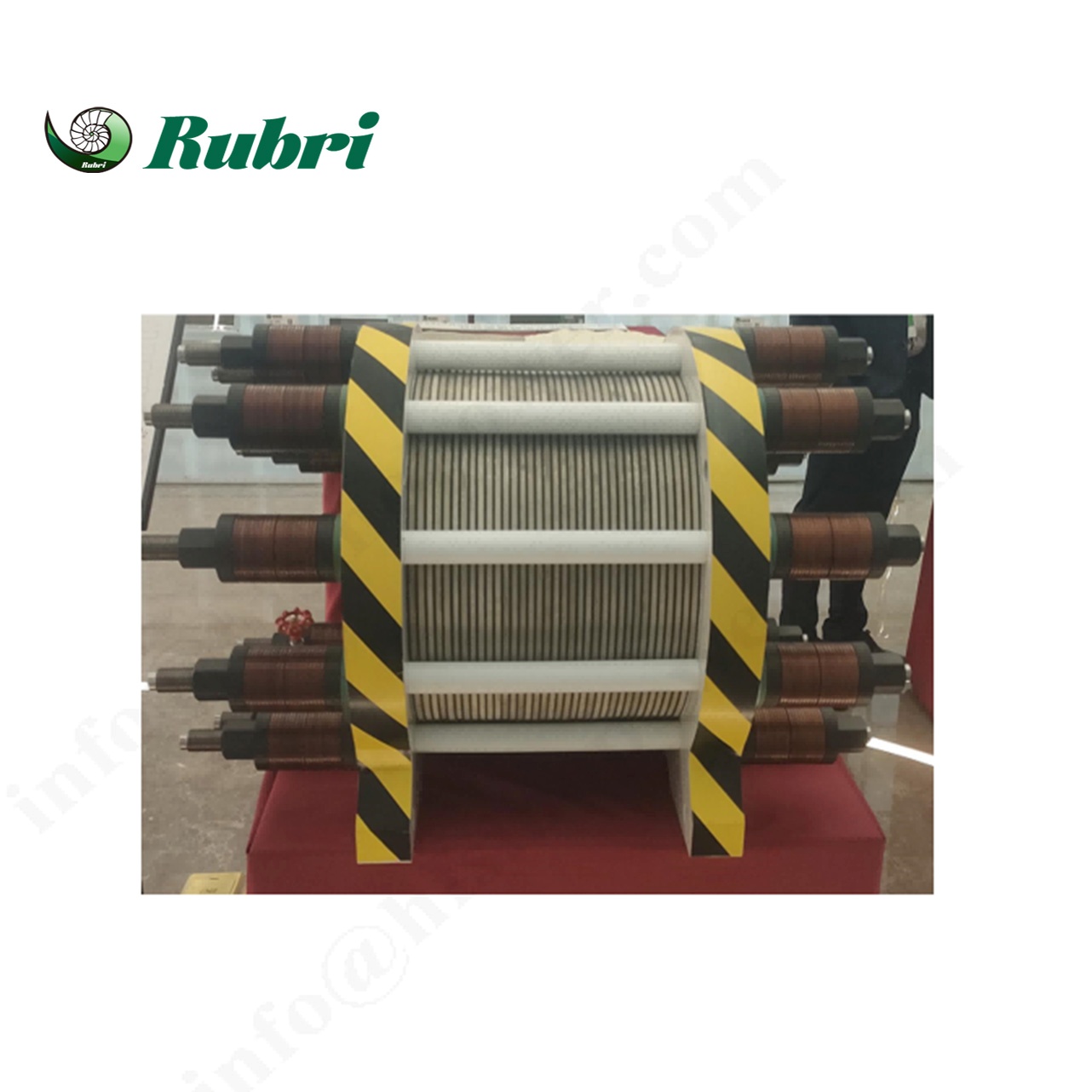
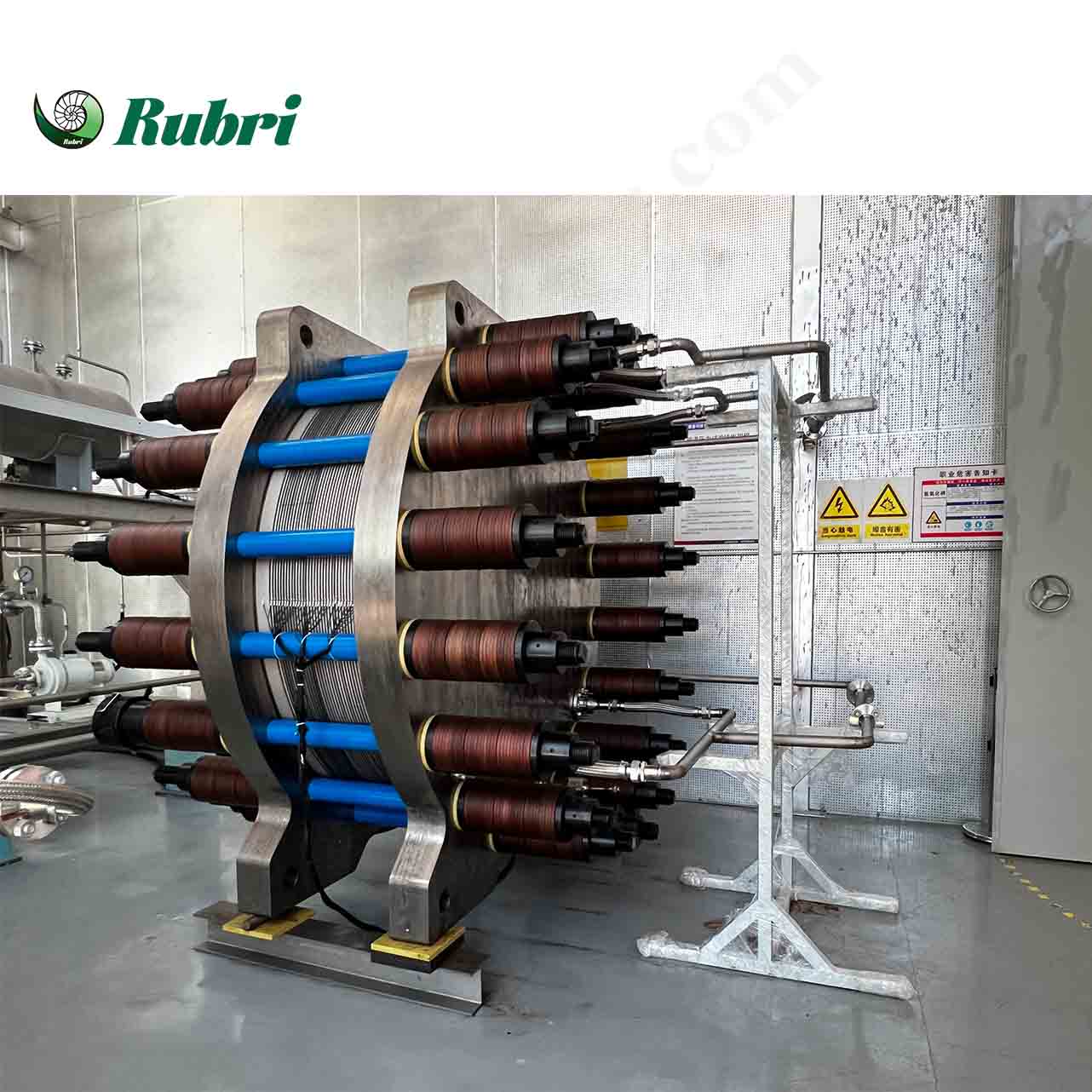
For a long time, large-scale, long-distance transportation of hydrogen has faced significant challenges due to factors such as cost, safety, and efficiency in the storage and transportation process. The magnesium-based solid-state hydrogen storage equipment shipped this time utilizes domestically developed magnesium-based solid-state hydrogen storage materials and hydrogen absorption/desorption control technology. It can achieve hydrogen storage and transportation under normal temperature and pressure conditions, with a single tank storage capacity of 1 ton and a cycle life exceeding 3,000 cycles, exhibiting high safety and storage and transportation efficiency.
To ensure the smooth shipment of the hydrogen storage equipment, under the guidance of the Maritime Safety Administration of the Ministry of Transport, the Shanghai Maritime Safety Administration and the Liaoning Maritime Safety Administration organized experts to conduct technical assessments based on the company's needs, focusing on equipment characteristics, transportation conditions, and safety requirements. They provided comprehensive analysis and guidance on the equipment's structural integrity, safety accessory configuration, emergency response measures, and safe transportation conditions.
At the loading site, maritime authorities dispatched professional personnel to provide on-site services throughout the process, closely cooperating with the company in loading operations and providing real-time technical support to ensure the safe and stable loading of the equipment and the smooth progress of the transportation mission.
Industry insiders believe that the successful shipment of this large-scale solid-state hydrogen storage equipment after completion of hydrogen filling further expands the application scenarios of hydrogen energy storage and transportation, providing a new practical case for promoting the extension of the hydrogen energy industry chain and international cooperation in green and low-carbon technologies.