What Is the Chlor-Alkali Process? From Brine to Chlorine and Caustic Soda: A Complete Guide to the Full Flow of chlor alkali process products-ko.hfsinopower.com
다른

블로그

블로그

What Is the Chlor-Alkali Process? From Brine to Chlorine and Caustic Soda: A Complete Guide to the Full Flow of chlor alkali process products

What Is the Chlor-Alkali Process? From Brine to Chlorine and Caustic Soda: A Complete Guide to the Full Flow of chlor alkali process products

Aug 18, 2026

The chlor-alkali process is one of the most important electrochemical production routes in basic chemicals. Its core task is to use refined brine as feedstock and simultaneously obtain chlorine, hydrogen and caustic soda (sodium hydroxide) through electrolysis. It is called “chlor-alkali” because the same electrolysis system can produce chlorine and alkali liquor at the same time; the two then enter downstream industrial chains such as PVC, epichlorohydrin, pulp and paper, alumina, water treatment, textiles, pharmaceuticals and fine chemicals. Modern plants generally adopt the ion-exchange membrane method, because compared with traditional diaphragm and mercury methods it offers higher product purity, lower energy consumption and more controllable environmental risks. For buyers, the key concern is not only “whether the electrolyzer can run,” but whether brine quality, membrane performance, electrode condition, current efficiency, chlorine-hydrogen safety isolation and downstream processing systems can remain stable over the long term. These factors jointly determine the capacity, energy consumption and maintenance cost of a chlor-alkali plant.


1. Brine Purification and Electrolysis Principles


The complete production process starts with brine purification. Industrial salt or brine usually contains calcium, magnesium, iron and suspended solids. If these impurities enter the electrolyzer, they can contaminate the membrane and increase cell voltage, so they need to be removed through chemical precipitation, filtration, precision filtration and, where necessary, deep treatment with chelating resin. The purified high-purity brine is fed into the anode chamber, while the cathode side maintains suitable water and alkali circulation. After power is applied, chloride ions at the anode lose electrons to form chlorine; sodium ions pass through the chlor-alkali ion-exchange membrane into the cathode chamber and form caustic soda with hydroxide ions produced by water electrolysis, while hydrogen is evolved at the cathode. Actual industrial electrolyzers often operate continuously at relatively high current density, so membrane selectivity, electrical resistance, chemical resistance stability, as well as the activity of the anode coating and cathode surface, all directly affect cell voltage and current efficiency. For new construction or expansion projects, selecting suitable chlor alkali process products requires evaluating the electrolyzer, membrane, electrodes, rectifier system, brine system, chlorine treatment and caustic soda post-treatment as an integrated system, rather than comparing only the price of individual equipment.


2. Product Post-Treatment and System Integration


After electrolysis, the three products must undergo targeted post-treatment. Wet chlorine usually contains moisture and a small amount of entrained salt mist, so it needs to be cooled, demisted, dried and compressed, and then sent to liquid chlorine, hydrogen chloride, sodium hypochlorite or other chlorination product units depending on downstream use. Hydrogen needs to be washed, cooled and safely vented or recovered, and can be used as fuel or chemical feedstock. The caustic soda concentration obtained from electrolysis is usually not the final commercial concentration required by all customers, so some plants are also equipped with evaporation and concentration systems to further concentrate the alkali liquor to common commercial specifications such as about 50%. The key here is not a single parameter but system integration: for example, poor control of the moisture content in chlorine will aggravate corrosion of downstream equipment; high impurities in brine will shorten membrane life; and reduced heat exchange efficiency in the evaporation system will significantly increase steam consumption. Stable continuous production requires coordinated operation of process, equipment and automatic control.


3. Ion-Exchange Membrane and Equipment Maintenance


In the whole system, the chlor-alkali ion-exchange membrane is one of the key consumables affecting operating economics. The membrane must allow sodium ions to pass while preventing reverse migration of chloride ions and hydroxide ions as much as possible, so as to maintain high current efficiency and reduce salt entering the caustic soda product. When membrane performance deteriorates, common symptoms include increased cell voltage, higher unit energy consumption, abnormal salt content in caustic soda, or fluctuations in single-cell differential pressure. Causes of shortened membrane life usually include excessive hardness ions such as calcium and magnesium in brine, iron and heavy metal contamination, organic contamination, improper start-up and shutdown operations, and local mechanical damage in the cell. Therefore, membrane replacement should not be carried out solely on a fixed schedule; it should be judged by combining voltage, current efficiency, differential pressure, product purity and historical operating trends. Rubri, under Hefei Sinopower Technologies Co., Ltd., can provide related equipment, spare parts and technical support for chlor-alkali systems. Buyers can also visit hfsinopower.com to learn about solutions for plant upgrades, spare parts replacement and project support.

For chlor-alkali plants that have been operating for many years, the factor that really affects downtime losses is often the capability for chlor alkali repair and preventive maintenance. After long-term operation, electrolyzers may develop problems such as gasket aging, frame corrosion, deactivation of electrode coatings, membrane leakage, increased contact resistance in busbars, instrument drift and valve seal failure. If repairs are only carried out passively after failures occur, this often leads to unplanned shutdowns, chlorine-hydrogen safety risks and production losses. A more effective approach is to establish operation files for individual cells, continuously record cell voltage, current, temperature, differential pressure, caustic concentration and chlorine quality, and during annual maintenance inspect the membrane, electrodes, seals, insulation parts and critical piping at the same time. For customers planning capacity expansion or energy-saving retrofits, rectifier efficiency, zero-gap structures, electrode renewal, brine purification capacity and automation control logic should also be evaluated. The core value of a chlor-alkali project is not just “getting the equipment running”; it is to maintain low energy consumption, high current efficiency and stable product quality for as long as possible under safe conditions. This is why equipment selection, membrane management and maintenance strategy need to be considered together.


FAQ: Key Questions Chlor-Alkali Project Customers Care About Most


1. When building a new chlor-alkali project, should the electrolyzer be determined first or the capacity and product plan?
The target capacity, raw salt conditions, caustic soda product concentration, chlorine destination, utility conditions and local environmental requirements should be determined first, and then the electrolyzer scale and auxiliary system configuration should be derived. If selection is based solely on the rated capacity of the electrolyzer, mismatches in brine, rectifier, chlorine treatment or evaporation system capacity are likely to occur.


2. How can you tell whether the chlor-alkali ion-exchange membrane needs to be replaced?
Do not judge only by service years. More reliable criteria include continuous rise in single-cell voltage, decline in current efficiency, abnormal salt content in caustic soda, differential pressure fluctuations, and membrane surface contamination or mechanical damage. If multiple indicators deteriorate at the same time, the cell should be shut down for inspection and replacement evaluation.


3. Why does power consumption increase after a chlor-alkali plant has been running for a period of time?
Common causes include membrane fouling or aging, decreased electrode activity, increased impurities in brine, increased contact resistance in busbar connections, and operating temperature or concentration deviating from the optimal window. The problem should be located by comparing data from individual cells, rather than directly raising current to compensate for production.


4. What key spare parts should be prepared for chlor alkali repair?
It is recommended to prepare ion-exchange membranes, gaskets, electrode assemblies, insulation parts, critical valves and instrument spare parts according to the plant structure, and to establish a service-life ledger for wearing parts. For imported components or those with long lead times, safety stock should be planned in advance to reduce the risk of sudden downtime.

메시지를 남겨주세요

당사 제품에 관심이 있고 자세한 내용을 알고 싶으시면 여기에 메시지를 남겨주시면 최대한 빨리 답변해 드리겠습니다.
제출하다

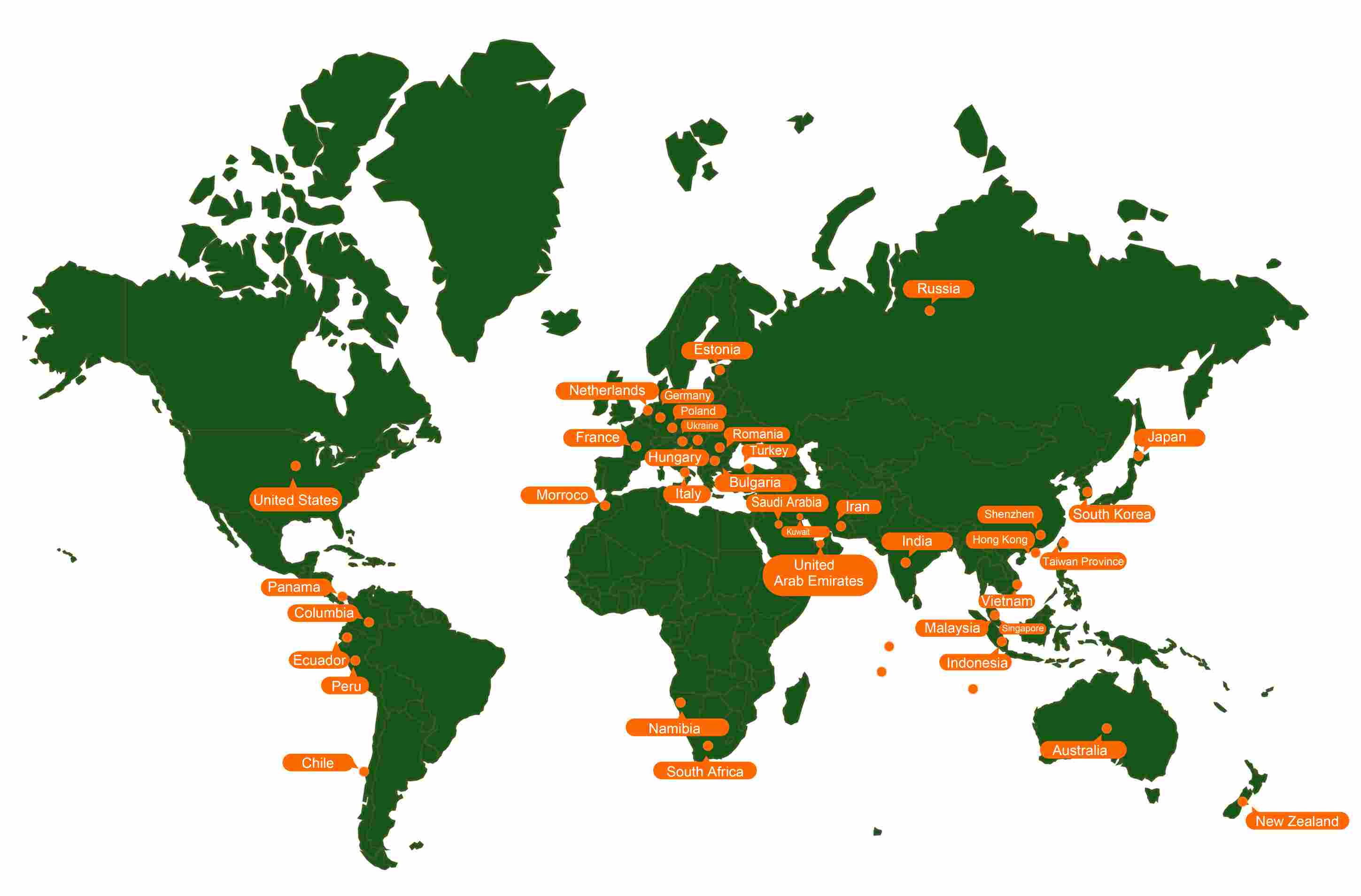
우리는 다음으로 수출했습니다.

우리는 다음으로 수출했습니다.

메시지를 남겨주세요

메시지를 남겨주세요
당사 제품에 관심이 있고 자세한 내용을 알고 싶으시면 여기에 메시지를 남겨주시면 최대한 빨리 답변해 드리겠습니다.
제출하다

제품

whatsApp

연락하다